I’m writing today with the heating on, having just come in from a walk around the city centre. The Christmas stalls are out, and the transitional misery that comes with leaping into winter is starting to lift.
I was pleased to see the busiest stall being that of an elderly woman serving home-made Welsh Cakes. A smell that was made all the more otherworldly by the fact it is now properly freezing outside. Not entirely unlike the smell of doughnuts being deep fried as I walk up the high street where I grew up.
I thought the bustle of crowds on a sweaty August afternoon would be enough to teach me not to venture into central Cardiff on a weekend. But, apparently it seems we’ve collectively decided that as the cost of heating our homes rises, we might as well walk aimlessly around the warm shops instead. I don’t know if it’s a post-Covid thing but I think people are regressing. Nobody seems able to watch where they’re walking any more. A particular double wide pram blocking the walkway outside of Starbucks, while a bedraggled parent stopped to send a text message, had my eyes looking out of the back of my skull.
Anyway, first book. I’m going to work backwards because I was so touched by this one that I need to get this down immediately. Tom Allen’s Too Much is a properly cathartic hand-to-hold through grief, an unavoidable path we all have to eventually take. It weaves stories of the aftermath with tales of Tom’s father beautifully. But what this book did the most effortlessly was the way it carried us along seemingly unrelated trips down memory lane before landing at the lesson, or sometimes simply mannerism, Tom learnt from his father.
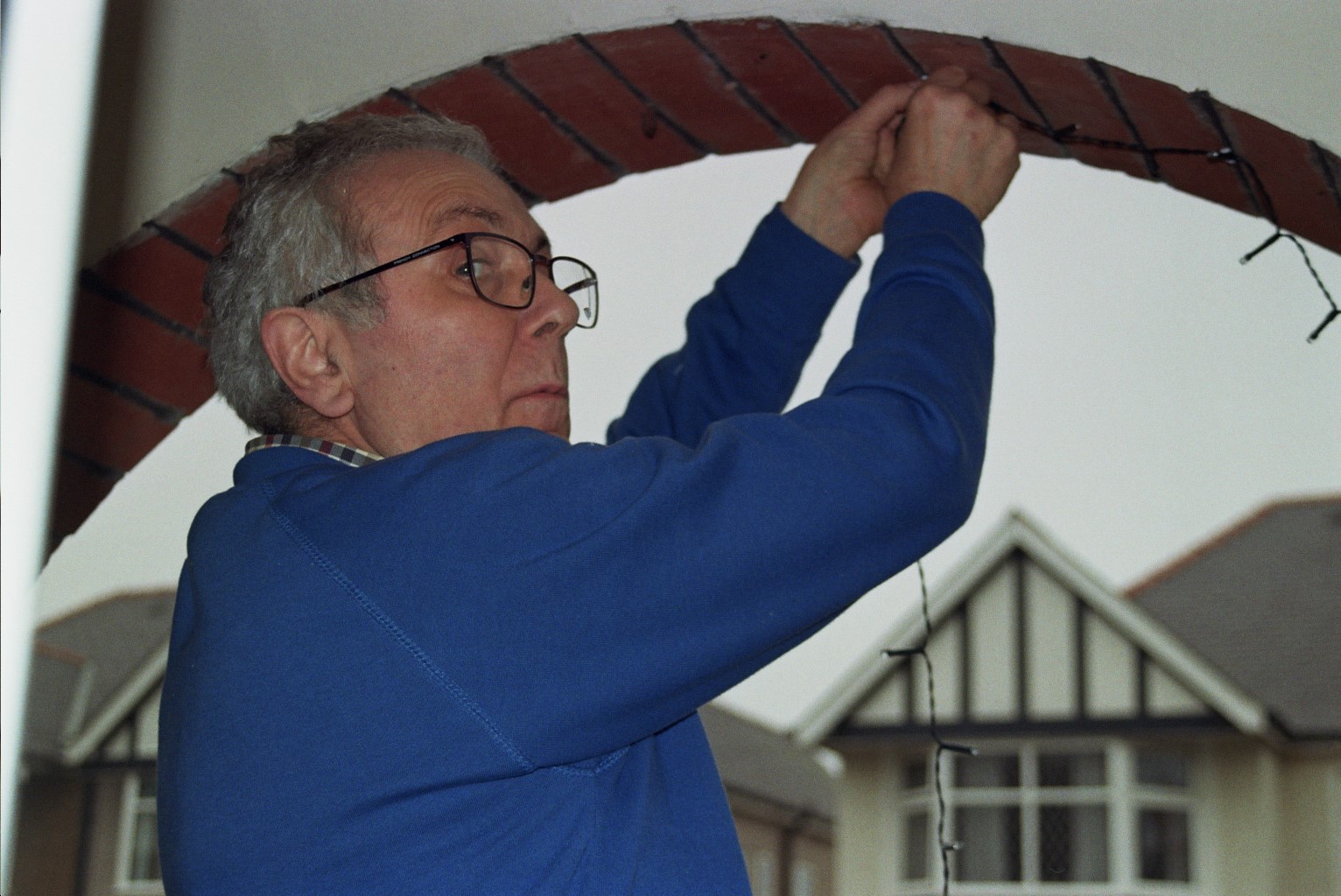
While I’m incredibly lucky to still have both of my parents, this book struck a cord with how my own Dad and I have come to understand each other as we age. I certainly had a tendency to need everything spelled out for me in absolute terms, too uncomfortable to sit with any kind of ambiguity, growing up. And I’ve never before seen such a beautiful depiction of a father and a son from different generations, simply seeing each other. Not everybody has what it takes to sit down and unpack a lifetime of impatience, every harsh word, and misunderstanding. But, it’s never too late to notice the small acts of grace and kindness we show each other.
As you might notice, I’ve been on a bit of a non-fiction kick this month. It happens sometimes. And Moshin Zaidi’s A Dutiful Boy was another memoir I found quite touching. Again, there was a theme of alienation and the inevitable feeling of loneliness that can arrive when we don’t feel seen by our parents. I’ll come back to this when I talk about The Way Out by Tufayel Ahmed next month.
Oxford graduate, criminal barrister and Stonewall trustee, Moshin Zaidi is the very definition of a high achiever. But, for me, it was descriptions of university counselling sessions and the overwhelming effort of walking back from feelings of hopelessness that made this book so relatable. A beautiful reminder of how despite our background, our childhood, our culture or our achievements, the universal human experience is how we recover from and reshape our pain.
Right, if I’ve loved the last two, it’s probably time for a stinker.
Now, I’m absolutely being unfair here, because Jeremy William’s Climate Change Is Racist is a perfectly passable primer for those who truly have no clue and want somewhere gentle to begin. My issue was that, upon finishing, I really couldn’t decide what I’d learned and why I’d bothered to spend time (thankfully not money, it was a library read) with something that almost completely misses the mark.
Despite the author acknowledging his own whiteness, there’s little depth to any probe into the racial aspects of climate change. Even more shocking, the book doesn’t really attempt to engage with the racial implications of capitalism and corporations exploiting the resources of the global south in any meaningful way. It’s not all bad, it just felt more like a walk through of keywords, without the glossary needed to help put them into context.
Finally, fiction.
Alexa Donne’s Pretty Dead Queens was everything I wanted and needed. A mystery novel about a mystery novelist. When you come from a small town, reading about small towns can be a risky move. I often brace myself for a cringe-filled depiction of backwards bumpkins. But, this book hit every beat with enough heart, and careful planning, that I could revisit Ceceilia (our protagonist) over and over. Hopefully Donne will return to this town, but even if she doesn’t, I know I’ll love whatever she writes next.
Everything I haven’t got round to covering in this post, I’ll revisit in December. Once the tree is up and I’m at least a stone heavier.
 Tim Wynne