

When it comes to getting the most out of our skincare routines, we’re often bombarded with all of the supposedly powerful anti-ageing, anti-dark spot, anti-blemish properties of whatever is ingredient flavour of the month. But as we’re increasingly saturated with serums, are we starting to miss the point?
Plenty of popular ingredients added to skincare products serve us well. Niacinimide, for example, is great for those dealing with excess sebum production and acne. This antioxidant helps to regulate oiliness and fade post inflammatory hyperpigmentation. But for lots of us, all it does is sting!
Retinol is another fantastic example of a vitamin antioxidant that’s capable of delivering results for those looking to improve complexion. As well as offering some protection from free radicals generated by environmental exposure.
But like most promises made by the beauty industry, they can start to fall apart when we start to question what we’re actually being sold. And looming over us menacingly is the small matter of formula. Products have become increasingly more complex in their formulations, but the time and money spent into research and development by cosmetic brands, is far from straight forward.
When it comes to ingredients like retinol, brands like L’Oreal and Olay have spent millions on developing formulas that don’t degrade as soon as the cap is popped off and air gets in. And we see this with their advancements in the realm of SPF too. The L’Oreal patented Mexoryl generation of filters has meant higher protection, and increasing comsetic elegance in how they wear. However, brands that place more emphasis on capturing the current TikTok obsession can often rely on sub-standard formulations, sometimes being nothing more than white-label products.
White label products are a relatively unknown phenomena in the skincare world. But they’re essentially when a (usually smaller) brand purchases a ready-made product, only for their branding to be slapped on the bottle. What this means in practice is multiple brands selling the exact same product.
Previously, I had always assumed this phenomenon to be relatively well-contained to the budget space. In practice, some of the brands guilty of this type of product-for-product-sake approach, span the budget to higher mid-price-range. And the reason this becomes an issue is because without adequately stabilised formulas, a product can contain as much vitamin C or retinol as you like, but that doesn’t mean it’s getting into your skin. Let alone shelf-stable enough to prevent rapid degradation of the active ingredients as soon as the packaging is opened.
Vitamin C is a notoriously finicky ingredient to formulate. Brands often opt to use derivatives such as Sodium Ascorbyl Phosphate. While these derivatives might be more stable, and therefore more likely to make it to your skin, the research is understandably more limited. So, how well it’s going to perform is even more unknown. Most of the time we don’t even know if there’s enough in the product to even make a difference. It’s with ingredients like this that I often opt to stick to the big brands: L’Oreal, Galderma, Neutogena. They’ve spent the time and money to make sure they’re striking the right balance.
Finally, I think we can often develop a tendency towards playing doctor when it comes to our skin. Brands like The Ordinary have often flicked a switch in me that quickly transforms my dressing gown into a lab coat. But the reality is that I’m no more a chemist than I am an Olympic diver. I can’t remember the last time I stepped foot anywhere near a swimming pool.
While it’s fun to play dress up, it’s important to remember that the basics of skin care, cleansing, moisturising, and protecting ourselves from the sun, are principles that – for most of us – are as essential as they are fool-proof. If you’re using the right gentle cleanser, keeping your skin moisturised, and wearing a good broad-spectrum SPF, it’s almost guaranteed you’re going to see good results. Especially if you’re starting from an absolute zero.
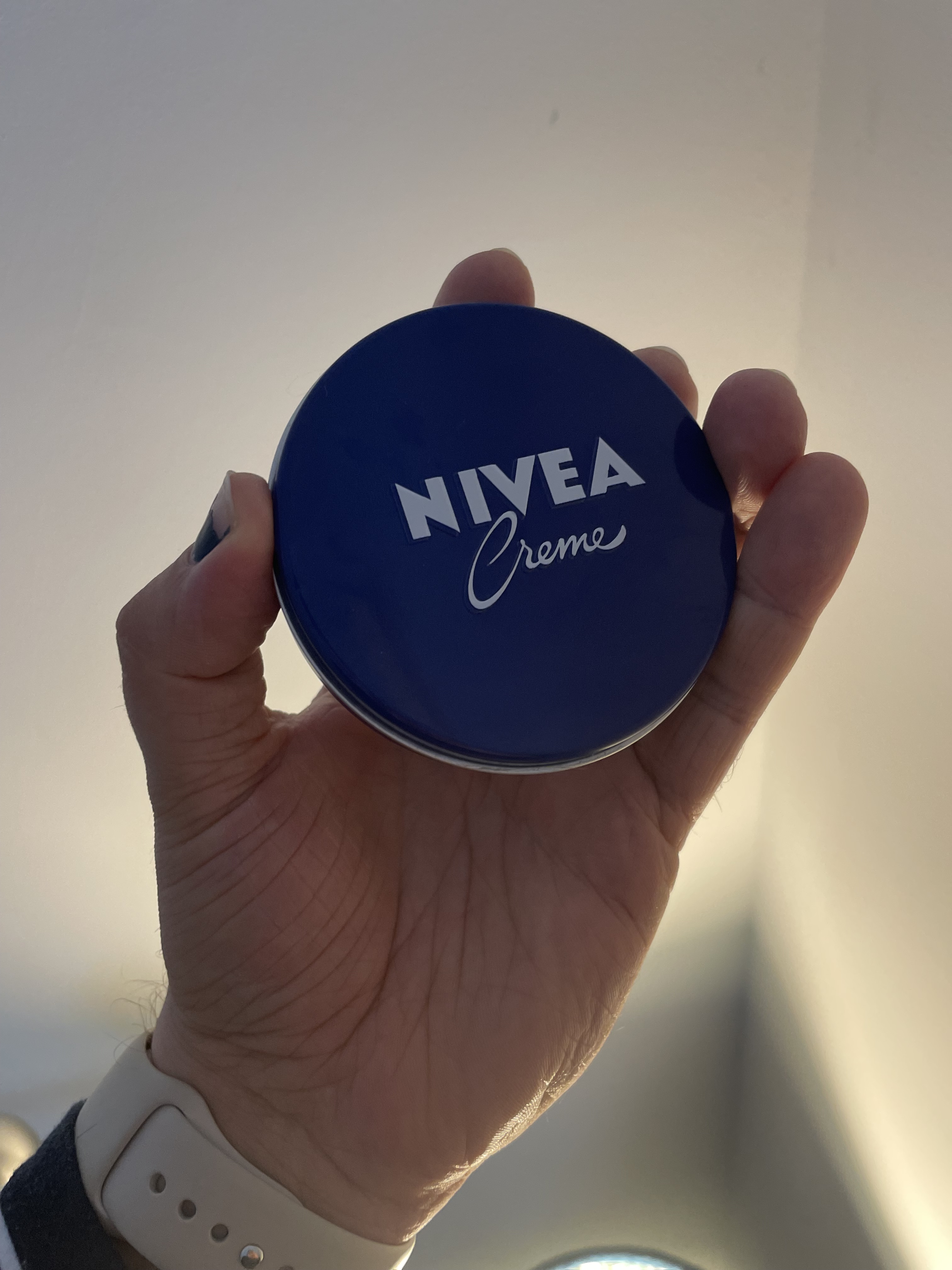
Some of the most useful tools in my skincare routine are the classics that bring that heady mixture of sensorial pleasure and nostalgia. Products like Nivea Crème. A classic that’s always been exactly what I needed to relieve even the driest of skin. A product offering nothing more complex than intense hydration. It’s thick, occlusive texture blended seamlessly with a fragrance that reminds me of being put to bed as a child. Not just by both of my parents, but even my Grandmother.
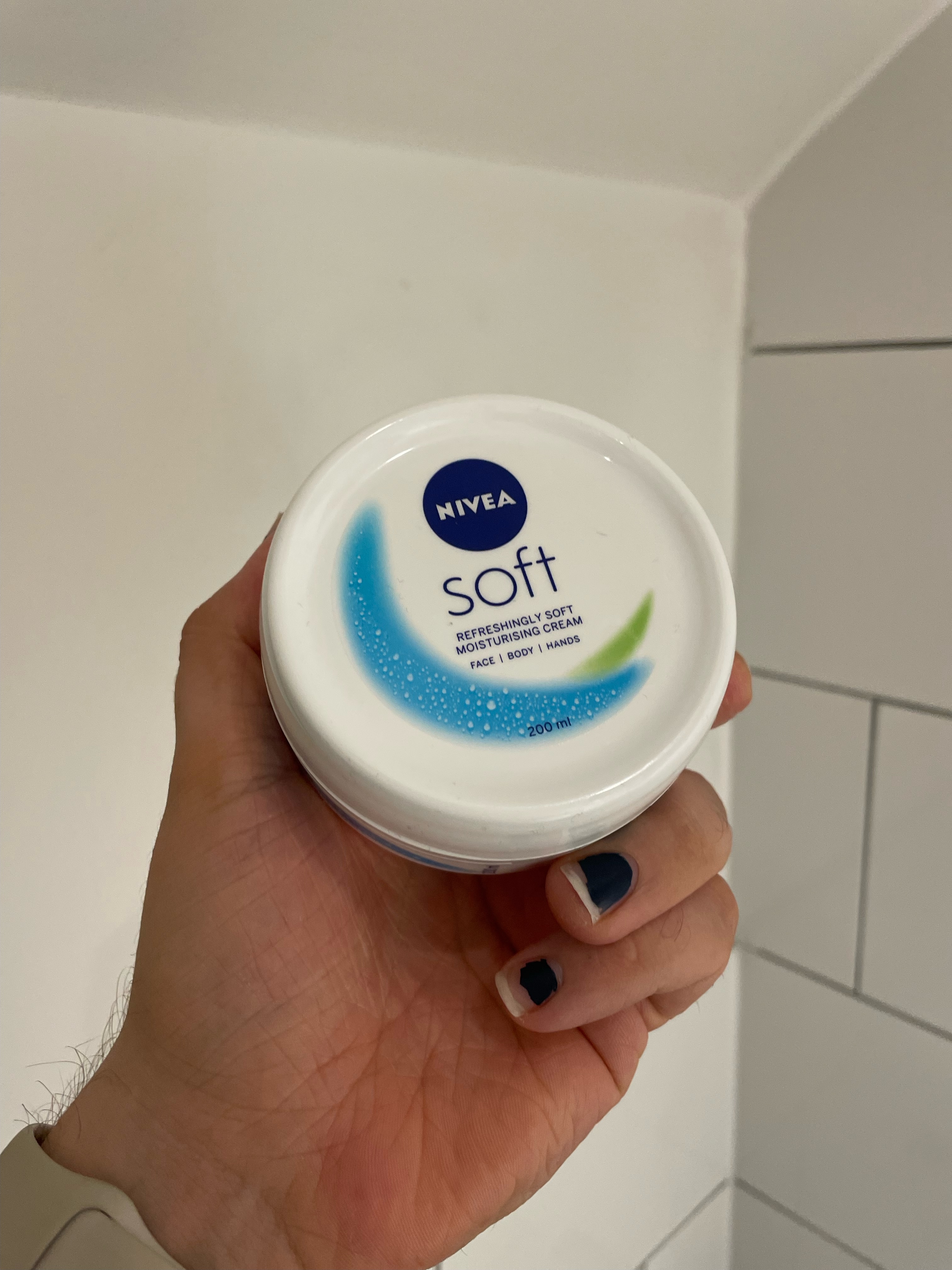
For the summer months, I love Nivea Soft. A lighter sister of the classic Crème, that first introduced me to a skincare ‘routine’ as a teenager. Its light, fresh fragrance, and whipped dimethicone consistency is one of the single greatest pleasures known to (skincare obsessed) man when the weather gets warmer. It reminds me of stuffy nights out in Bangor and early morning bus rides to college. The tube version also makes a fantastic hand cream.
Most of our favourite basics are loaded with great actives. The key is remembering that we don’t need all of them, all the time. And we certainly don’t need them in excessive quantities.
 Tim Wynne