

One step too many

When it comes to getting the most out of our skincare routines, we’re often bombarded with all of the supposedly powerful anti-ageing, anti-dark spot, anti-blemish properties of whatever is ingredient flavour of the month. But as we’re increasingly saturated with serums, are we starting to miss the point?

Plenty of popular ingredients added to skincare products serve us well. Niacinimide, for example, is great for those dealing with excess sebum production and acne. This antioxidant helps to regulate oiliness and fade post inflammatory hyperpigmentation. But for lots of us, all it does is sting!
Retinol is another fantastic example of a vitamin antioxidant that’s capable of delivering results for those looking to improve complexion. As well as offering some protection from free radicals generated by environmental exposure.

But like most promises made by the beauty industry, they can start to fall apart when we start to question what we’re actually being sold. And looming over us menacingly is the small matter of formula. Products have become increasingly more complex in their formulations, but the time and money spent into research and development by cosmetic brands, is far from straight forward.

When it comes to ingredients like retinol, brands like L’Oreal and Olay have spent millions on developing formulas that don’t degrade as soon as the cap is popped off and air gets in. And we see this with their advancements in the realm of SPF too. The L’Oreal patented Mexoryl generation of filters has meant higher protection, and increasing comsetic elegance in how they wear. However, brands that place more emphasis on capturing the current TikTok obsession can often rely on sub-standard formulations, sometimes being nothing more than white-label products.

White label products are a relatively unknown phenomena in the skincare world. But they’re essentially when a (usually smaller) brand purchases a ready-made product, only for their branding to be slapped on the bottle. What this means in practice is multiple brands selling the exact same product.

Previously, I had always assumed this phenomenon to be relatively well-contained to the budget space. In practice, some of the brands guilty of this type of product-for-product-sake approach, span the budget to higher mid-price-range. And the reason this becomes an issue is because without adequately stabilised formulas, a product can contain as much vitamin C or retinol as you like, but that doesn’t mean it’s getting into your skin. Let alone shelf-stable enough to prevent rapid degradation of the active ingredients as soon as the packaging is opened.

Vitamin C is a notoriously finicky ingredient to formulate. Brands often opt to use derivatives such as Sodium Ascorbyl Phosphate. While these derivatives might be more stable, and therefore more likely to make it to your skin, the research is understandably more limited. So, how well it’s going to perform is even more unknown. Most of the time we don’t even know if there’s enough in the product to even make a difference. It’s with ingredients like this that I often opt to stick to the big brands: L’Oreal, Galderma, Neutogena. They’ve spent the time and money to make sure they’re striking the right balance.

Finally, I think we can often develop a tendency towards playing doctor when it comes to our skin. Brands like The Ordinary have often flicked a switch in me that quickly transforms my dressing gown into a lab coat. But the reality is that I’m no more a chemist than I am an Olympic diver. I can’t remember the last time I stepped foot anywhere near a swimming pool.

While it’s fun to play dress up, it’s important to remember that the basics of skin care, cleansing, moisturising, and protecting ourselves from the sun, are principles that – for most of us – are as essential as they are fool-proof. If you’re using the right gentle cleanser, keeping your skin moisturised, and wearing a good broad-spectrum SPF, it’s almost guaranteed you’re going to see good results. Especially if you’re starting from an absolute zero.

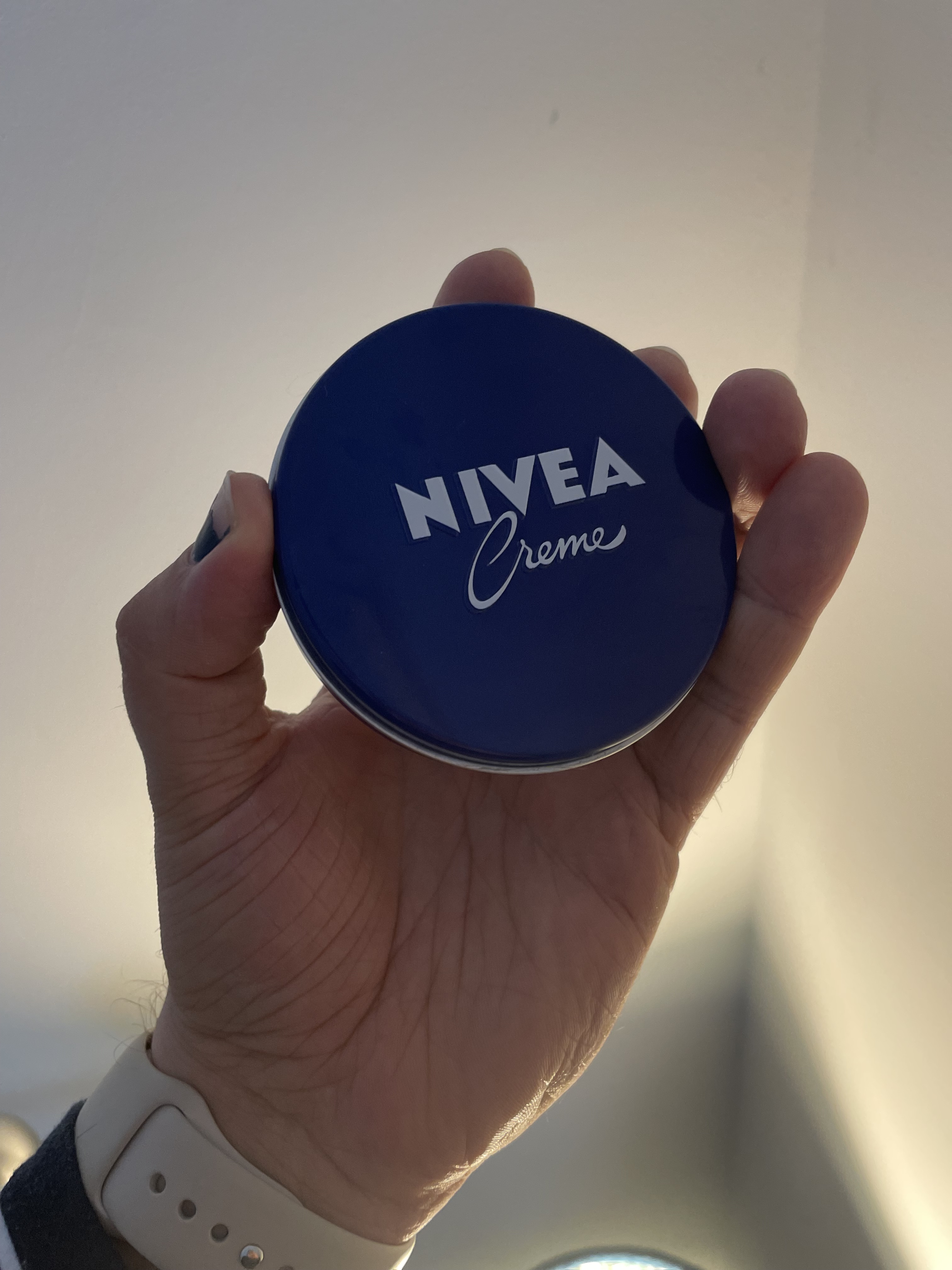
Some of the most useful tools in my skincare routine are the classics that bring that heady mixture of sensorial pleasure and nostalgia. Products like Nivea Crème. A classic that’s always been exactly what I needed to relieve even the driest of skin. A product offering nothing more complex than intense hydration. It’s thick, occlusive texture blended seamlessly with a fragrance that reminds me of being put to bed as a child. Not just by both of my parents, but even my Grandmother.
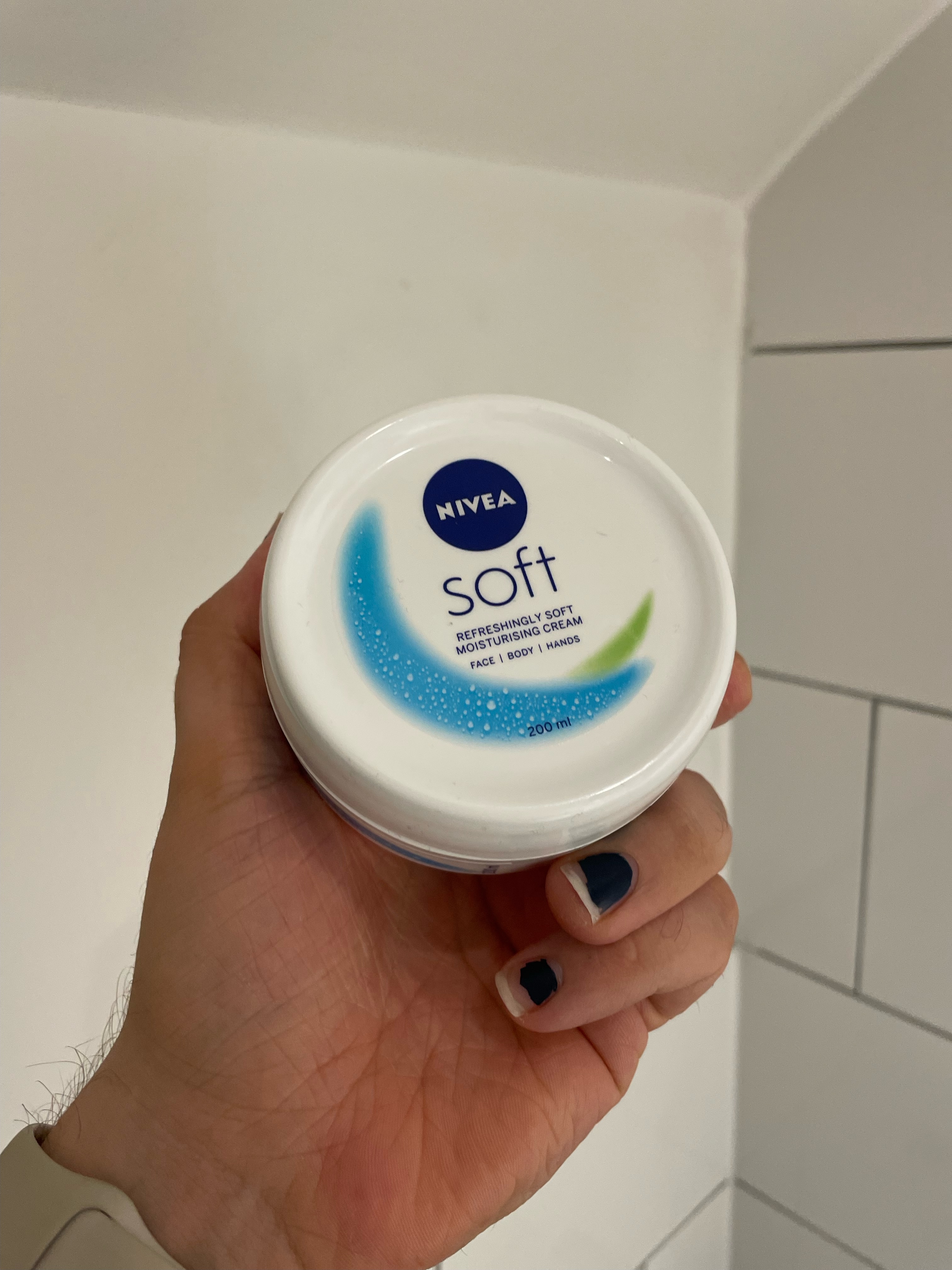


For the summer months, I love Nivea Soft. A lighter sister of the classic Crème, that first introduced me to a skincare ‘routine’ as a teenager. Its light, fresh fragrance, and whipped dimethicone consistency is one of the single greatest pleasures known to (skincare obsessed) man when the weather gets warmer. It reminds me of stuffy nights out in Bangor and early morning bus rides to college. The tube version also makes a fantastic hand cream.

Most of our favourite basics are loaded with great actives. The key is remembering that we don’t need all of them, all the time. And we certainly don’t need them in excessive quantities.


‘tis the season to be eating

December might have only just began, but I must confess, I’m already one box of mince pies into the Christmas spirit. I know, I know, starting early gets a lot of dirty looks and judgemental comments. BUT – I’ve gone all in this year. I even put the tree up on the 28th of November. It’s been such a wild year (THREE prime ministers and energy bills skyrocketing) that I have decided the only thing to soothe the anxiety of 2022 is to lean in, as far as physically possible, into the festivities.

I’ve gotten a lot done this year that I never thought possible. A job I love, finally lost the weight I’ve been trying to shift for years, found a love of – dare I say it – exercise. I’m even learning how to save some money, and being financially responsible has never been one of my strong points. But as the seasons change, and our days become increasingly shorter, twinkly lights and the smell of all-spice and orange rind is the only thing that can save me from gloom.

What I think people underestimate is how much the change affects us as we slip out of never ending daylight during the summer months, into the dark by 4:30 misery of winter. I think it’s why I’m so grateful towns up and down the country are slinging up the decorations earlier and earlier every year. Without them, we’d all be wandering around wondering if we’re just in the middle of history’s longest ever solar eclipse. Weren’t we all just having barbecues?

It might be a bit of a controversial take, but other than toast, I am not a fan of a hot breakfast. For me, even in winter, a cold breakfast just seems more gentle. I love porridge, but ever since learning that a pot of coconut yoghurt and some oat milk can make it just as creamy as 3 minutes in the microwave, I’ve no interest in eating it warm. Anyway, for me, winter is all about larger mugs of coffee, toast made with a farmhouse loaf, swapping margarine for butter, and slathering everything in strawberry jam.

I’m a huge fan of finely chopped salads during the warmer months, I’ll even happily swap out a cooked lunch for a large smoothie with some protein powder. But as soon as November comes around, pastries take centre stage. And rightfully so! Popping out for a long walk on the weekend and sitting in some warm, steamy cafe with an Oat Latte and a vegan croissant – yes, please!

It’s also the only time of year that I’m patient enough to even attempt baking. The summer months are somewhat of a hell for us. Our attic flat heats up to temperatures only rivalled by the reptile house at the zoo. But if there’s one thing I’ve mastered as a vegan, that I can comfortably come back to every year, it’s the sponge cake.

So I’ll leave you with this.

Biscoff Sponge Cake:

Starting with a standard Victoria sponge recipe:

300g of self-raising flour

175g of caster sugar

150g of dairy free margarine or vegetable oil.

300ml of oat milk (with 2 tbsp of lemon juice stirred in)

2 tsp of bicarb

While it’s baking, get going on the buttercream.

150g of dairy free margarine

100g of Biscoff spread

600g of icing sugar

Half a packet of Biscoff biscuits

It’s as simple as this:

Preheat your fan oven to 160C.

Add the lemon juice to the oat milk and set aside for 5 minutes. This will allow it to thicken to a consistency similar to buttermilk.

Combine all of the dry ingredients and the margarine (or oil). Add your liquid.

I split between two cake tins. I grease with oil using a paper towel and lay down a circle of baking paper to stop the cake from sticking. I don’t have much trust for non-stick tins – especially when baking.

Bake for 30-40 minutes. I know 10 mins is a big difference, but just trust me, vegan baking is a bit mysterious. Give it a prick with a sharp knife or toothpick after half an hour, and then at 5 minute intervals if it’s not quite done. Baking without dairy or eggs tends to be a lot wetter. As a result, it often takes longer than it’s animal-derived sister.

For the butter cream, combine all of the ingredients in a mixing bowl and mix as hard as you can without getting icing sugar everywhere. However, you might find it a lot easier if you’ve got a hand mixer. Margarine can vary between brands/recipes, so add a tablespoon of oat milk if needed.

Wait till the cake cools, add half the buttercream to the middle, and spread half on the top. Smash the biscuits in a sandwich bag with a rolling bin, and add the crumbles to the top to decorate.

Where you are

Cardiff, overlooked from Penarth. Kodak Color Plus 200 // 35mm.

Is there really anything romantic about the city anymore? Or has own online world made the metropolis moot?

I, myself, love the idea that I can go for a coffee at 9 o’clock at night. But that certainly doesn’t mean I ever go for one. For me, it almost boils down to a reassuring pleasure in knowing that I can quite literally hear life bustling on outside my open window, well into the early hours. Perhaps this background stimulation ties into a lifetime of friends convinced that my own constant need for movement is actually the presence of undiagnosed ADHD. The older I get, the more inclined I am to agree with them.

But actually knowing whether the city adds anything at all to my quality of life – or whether it in fact drains plenty away – is something I can no longer turn my head away from. Recently, at a wedding, our bustling table of vegans (don’t worry, we were happily grouped together) took a break from chatting about the uncomfortable strange yellow hue of soya milk, to discuss where we all came from. A topic I find as interesting as it is obligatory for any group of strangers forced to make small talk.

‘London,’ came the first response. In an accent as northern as, well, the woman herself. ‘From Leeds originally, obviously, but been in London for, God, nearly 7 years. I consider myself from London at this point.’

7 years is my own number too. I’ve lived in Cardiff since moving here for university in 2015. And I sort of understand her response, because my love was instant too. Even if, at times, tumultuous. Yet, all this time later, my go-to response remains ‘little town in North Wales,’ followed by the just as dependable ‘probably haven’t heard of it; Colwyn Bay?’

Mural by Colwyn Bay Pier. Kodak Color Plus 200 // 35mm.

I’ve always been conflicted about moving across the country. The main reason being how far away it is from my family. But, really, what it boils down to for me, is because of how obviously a product of my home I am. And when I say home, I of course mean ‘home’ home. I am consistently amazed by how late the buses run (and how cheap the price of all-day travel), by the amount of train stations in our part of South Wales, how late restaurants stay open, and the mere concept of Deliveroo. All things, those that grew up here, probably haven’t ever thought twice about.

There’s also a strange sort of longing I associate with coming from a small town. A nostalgia for dreaming about exactly what I have now. Without knowing a single detail of what it would actually be like. Because, when you’re not from a city, a city could be anything. A sort of frustration that something beautiful and exciting is going on elsewhere, while I stroll up an empty high street and eat chips on the beach.

Footpath alongside Llandaff Cathedral, Cardiff. Kodak Color Plus 200 // 35mm.

So, perhaps that’s why our responses are so different. Leeds, at least to me, is just as much a city as anywhere with rising rents, accessible public transport and nightclubs. But for someone who grew up there? Well, it’s a lifetime of memories, happiness, trauma and frustrations, sure. But it certainly isn’t blind to the reality of everything that the urban demands. And while we can all long for something bigger and more exciting, it can’t be avoided that growing up in a city prepares you well for living there.

Growing up in a small town? It’s incubation. More thinking time than you can imagine. Time spent walking everywhere, time spent at bus stops, always waiting to see if something will change, and always knowing that it likely won’t. It’s being an adult and wondering how long you’ll last before heading home. And whether there’ll be anything left for you when you finally get there.