One step too many

When it comes to getting the most out of our skincare routines, we’re often bombarded with all of the supposedly powerful anti-ageing, anti-dark spot, anti-blemish properties of whatever is ingredient flavour of the month. But as we’re increasingly saturated with serums, are we starting to miss the point?

Plenty of popular ingredients added to skincare products serve us well. Niacinimide, for example, is great for those dealing with excess sebum production and acne. This antioxidant helps to regulate oiliness and fade post inflammatory hyperpigmentation. But for lots of us, all it does is sting!
Retinol is another fantastic example of a vitamin antioxidant that’s capable of delivering results for those looking to improve complexion. As well as offering some protection from free radicals generated by environmental exposure.

But like most promises made by the beauty industry, they can start to fall apart when we start to question what we’re actually being sold. And looming over us menacingly is the small matter of formula. Products have become increasingly more complex in their formulations, but the time and money spent into research and development by cosmetic brands, is far from straight forward.

When it comes to ingredients like retinol, brands like L’Oreal and Olay have spent millions on developing formulas that don’t degrade as soon as the cap is popped off and air gets in. And we see this with their advancements in the realm of SPF too. The L’Oreal patented Mexoryl generation of filters has meant higher protection, and increasing comsetic elegance in how they wear. However, brands that place more emphasis on capturing the current TikTok obsession can often rely on sub-standard formulations, sometimes being nothing more than white-label products.

White label products are a relatively unknown phenomena in the skincare world. But they’re essentially when a (usually smaller) brand purchases a ready-made product, only for their branding to be slapped on the bottle. What this means in practice is multiple brands selling the exact same product.

Previously, I had always assumed this phenomenon to be relatively well-contained to the budget space. In practice, some of the brands guilty of this type of product-for-product-sake approach, span the budget to higher mid-price-range. And the reason this becomes an issue is because without adequately stabilised formulas, a product can contain as much vitamin C or retinol as you like, but that doesn’t mean it’s getting into your skin. Let alone shelf-stable enough to prevent rapid degradation of the active ingredients as soon as the packaging is opened.

Vitamin C is a notoriously finicky ingredient to formulate. Brands often opt to use derivatives such as Sodium Ascorbyl Phosphate. While these derivatives might be more stable, and therefore more likely to make it to your skin, the research is understandably more limited. So, how well it’s going to perform is even more unknown. Most of the time we don’t even know if there’s enough in the product to even make a difference. It’s with ingredients like this that I often opt to stick to the big brands: L’Oreal, Galderma, Neutogena. They’ve spent the time and money to make sure they’re striking the right balance.

Finally, I think we can often develop a tendency towards playing doctor when it comes to our skin. Brands like The Ordinary have often flicked a switch in me that quickly transforms my dressing gown into a lab coat. But the reality is that I’m no more a chemist than I am an Olympic diver. I can’t remember the last time I stepped foot anywhere near a swimming pool.

While it’s fun to play dress up, it’s important to remember that the basics of skin care, cleansing, moisturising, and protecting ourselves from the sun, are principles that – for most of us – are as essential as they are fool-proof. If you’re using the right gentle cleanser, keeping your skin moisturised, and wearing a good broad-spectrum SPF, it’s almost guaranteed you’re going to see good results. Especially if you’re starting from an absolute zero.

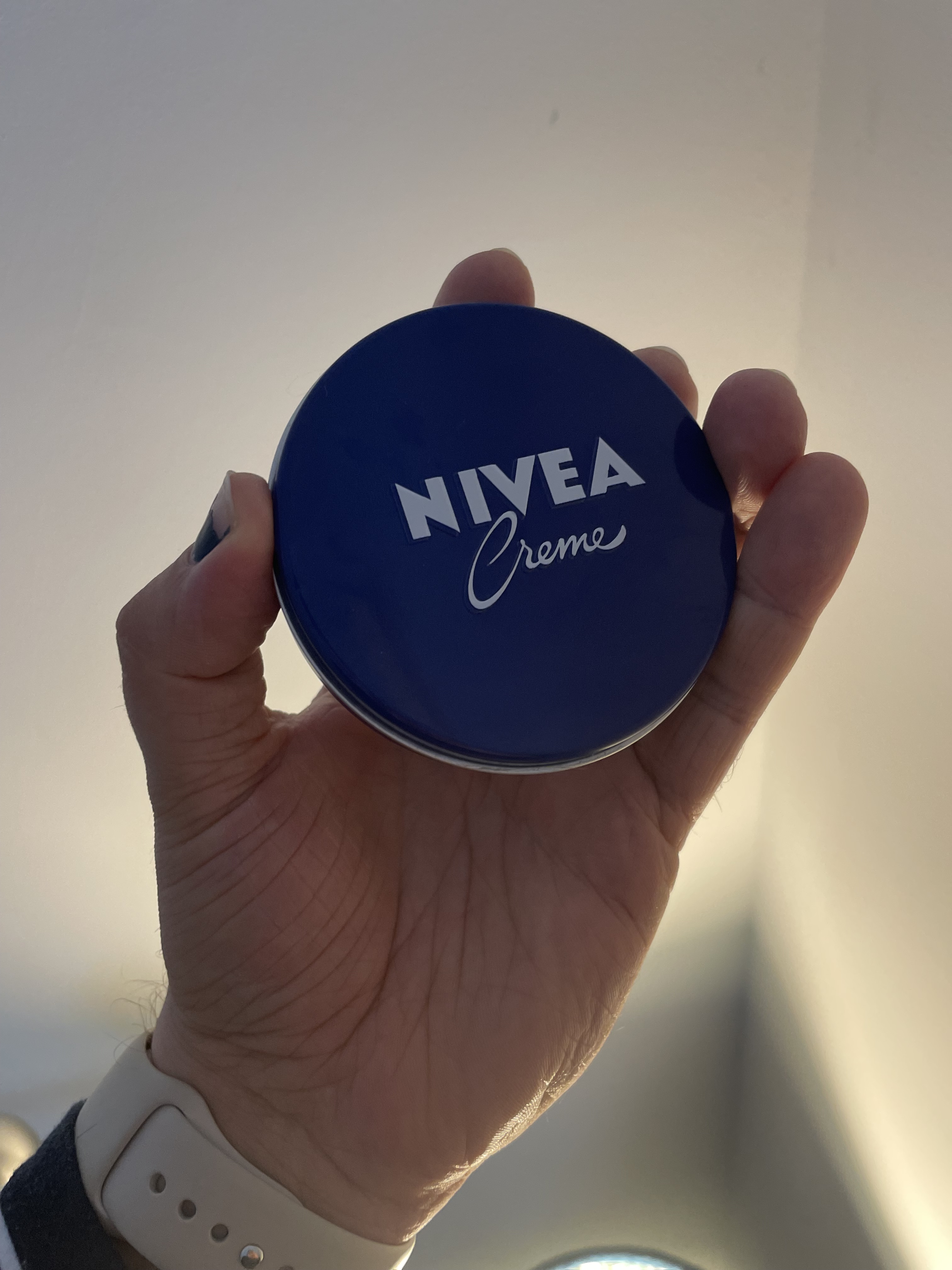
Some of the most useful tools in my skincare routine are the classics that bring that heady mixture of sensorial pleasure and nostalgia. Products like Nivea Crème. A classic that’s always been exactly what I needed to relieve even the driest of skin. A product offering nothing more complex than intense hydration. It’s thick, occlusive texture blended seamlessly with a fragrance that reminds me of being put to bed as a child. Not just by both of my parents, but even my Grandmother.
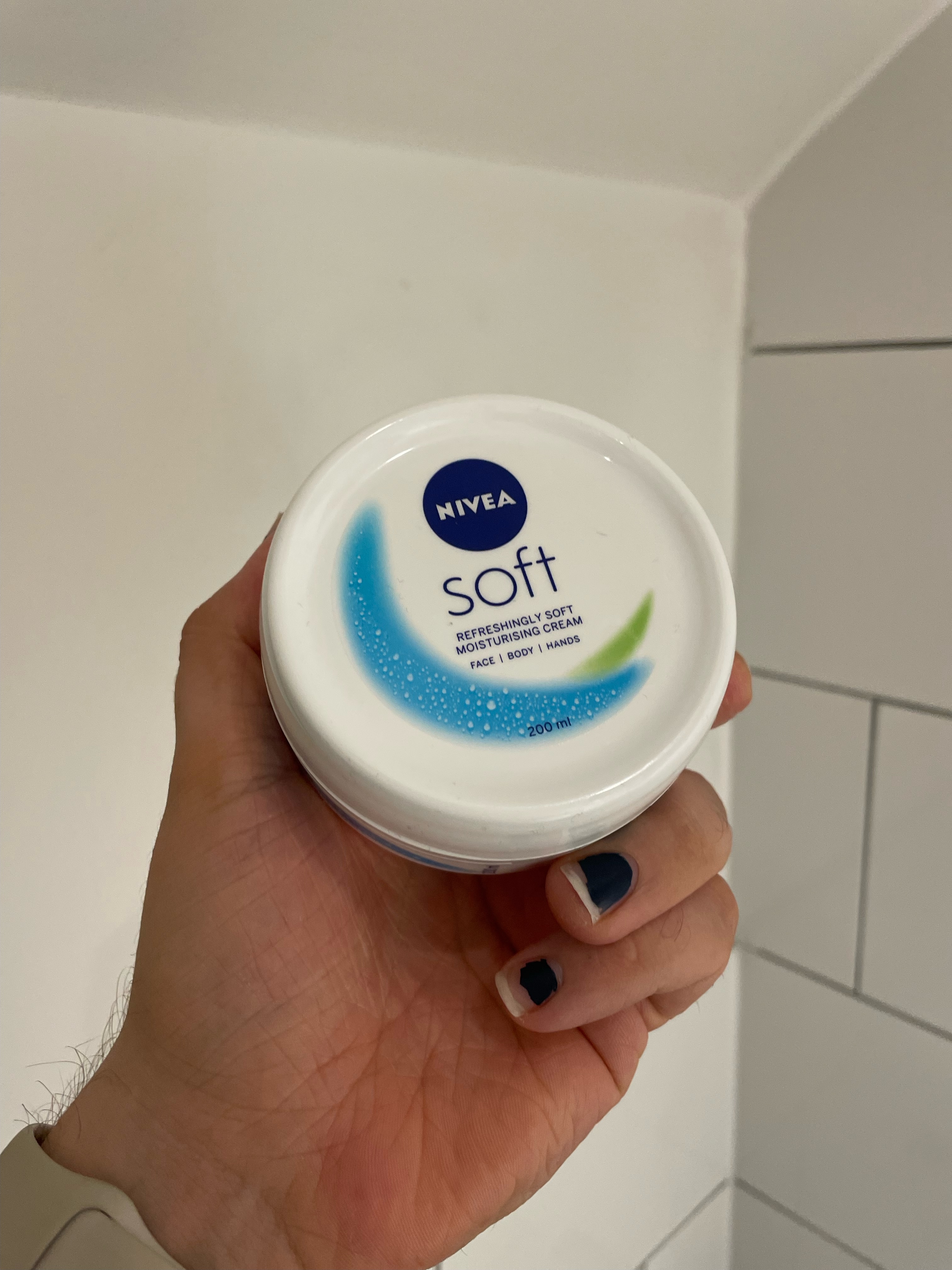


For the summer months, I love Nivea Soft. A lighter sister of the classic Crème, that first introduced me to a skincare ‘routine’ as a teenager. Its light, fresh fragrance, and whipped dimethicone consistency is one of the single greatest pleasures known to (skincare obsessed) man when the weather gets warmer. It reminds me of stuffy nights out in Bangor and early morning bus rides to college. The tube version also makes a fantastic hand cream.

Most of our favourite basics are loaded with great actives. The key is remembering that we don’t need all of them, all the time. And we certainly don’t need them in excessive quantities.

Where you are

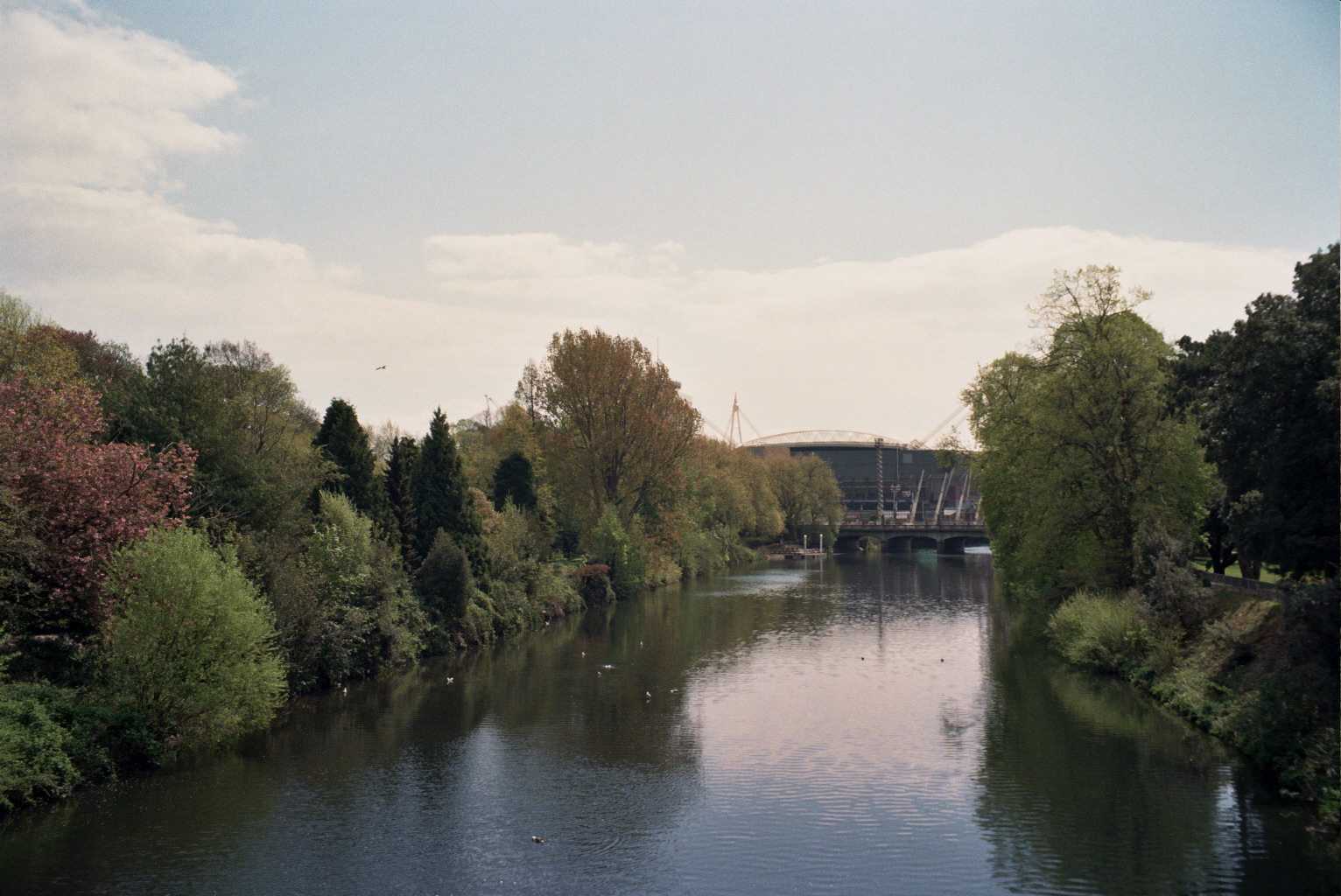
Cardiff, overlooked from Penarth. Kodak Color Plus 200 // 35mm.

Is there really anything romantic about the city anymore? Or has own online world made the metropolis moot?

I, myself, love the idea that I can go for a coffee at 9 o’clock at night. But that certainly doesn’t mean I ever go for one. For me, it almost boils down to a reassuring pleasure in knowing that I can quite literally hear life bustling on outside my open window, well into the early hours. Perhaps this background stimulation ties into a lifetime of friends convinced that my own constant need for movement is actually the presence of undiagnosed ADHD. The older I get, the more inclined I am to agree with them.

But actually knowing whether the city adds anything at all to my quality of life – or whether it in fact drains plenty away – is something I can no longer turn my head away from. Recently, at a wedding, our bustling table of vegans (don’t worry, we were happily grouped together) took a break from chatting about the uncomfortable strange yellow hue of soya milk, to discuss where we all came from. A topic I find as interesting as it is obligatory for any group of strangers forced to make small talk.

‘London,’ came the first response. In an accent as northern as, well, the woman herself. ‘From Leeds originally, obviously, but been in London for, God, nearly 7 years. I consider myself from London at this point.’

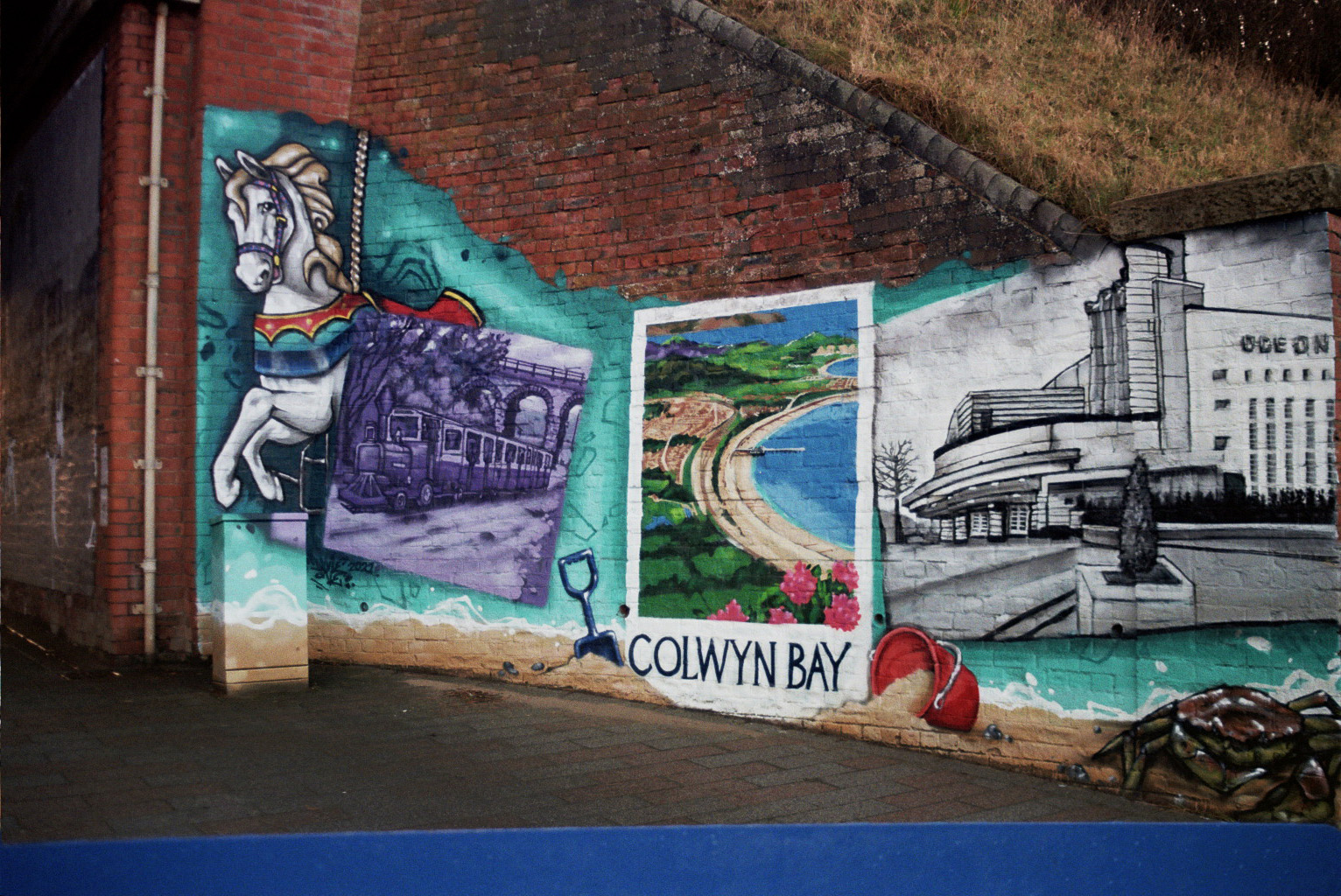
7 years is my own number too. I’ve lived in Cardiff since moving here for university in 2015. And I sort of understand her response, because my love was instant too. Even if, at times, tumultuous. Yet, all this time later, my go-to response remains ‘little town in North Wales,’ followed by the just as dependable ‘probably haven’t heard of it; Colwyn Bay?’

Mural by Colwyn Bay Pier. Kodak Color Plus 200 // 35mm.

I’ve always been conflicted about moving across the country. The main reason being how far away it is from my family. But, really, what it boils down to for me, is because of how obviously a product of my home I am. And when I say home, I of course mean ‘home’ home. I am consistently amazed by how late the buses run (and how cheap the price of all-day travel), by the amount of train stations in our part of South Wales, how late restaurants stay open, and the mere concept of Deliveroo. All things, those that grew up here, probably haven’t ever thought twice about.

There’s also a strange sort of longing I associate with coming from a small town. A nostalgia for dreaming about exactly what I have now. Without knowing a single detail of what it would actually be like. Because, when you’re not from a city, a city could be anything. A sort of frustration that something beautiful and exciting is going on elsewhere, while I stroll up an empty high street and eat chips on the beach.

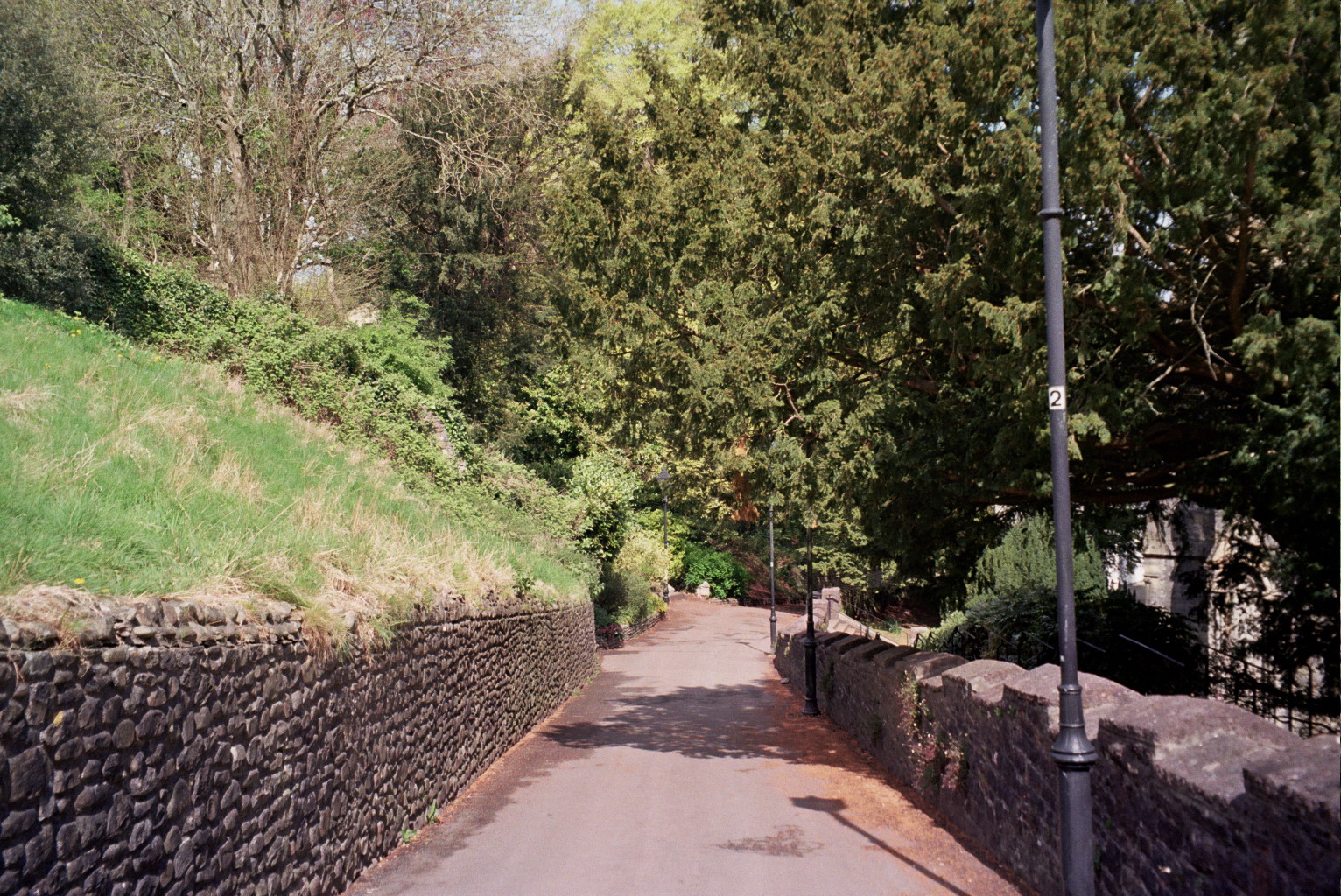
Footpath alongside Llandaff Cathedral, Cardiff. Kodak Color Plus 200 // 35mm.

So, perhaps that’s why our responses are so different. Leeds, at least to me, is just as much a city as anywhere with rising rents, accessible public transport and nightclubs. But for someone who grew up there? Well, it’s a lifetime of memories, happiness, trauma and frustrations, sure. But it certainly isn’t blind to the reality of everything that the urban demands. And while we can all long for something bigger and more exciting, it can’t be avoided that growing up in a city prepares you well for living there.

Growing up in a small town? It’s incubation. More thinking time than you can imagine. Time spent walking everywhere, time spent at bus stops, always waiting to see if something will change, and always knowing that it likely won’t. It’s being an adult and wondering how long you’ll last before heading home. And whether there’ll be anything left for you when you finally get there.

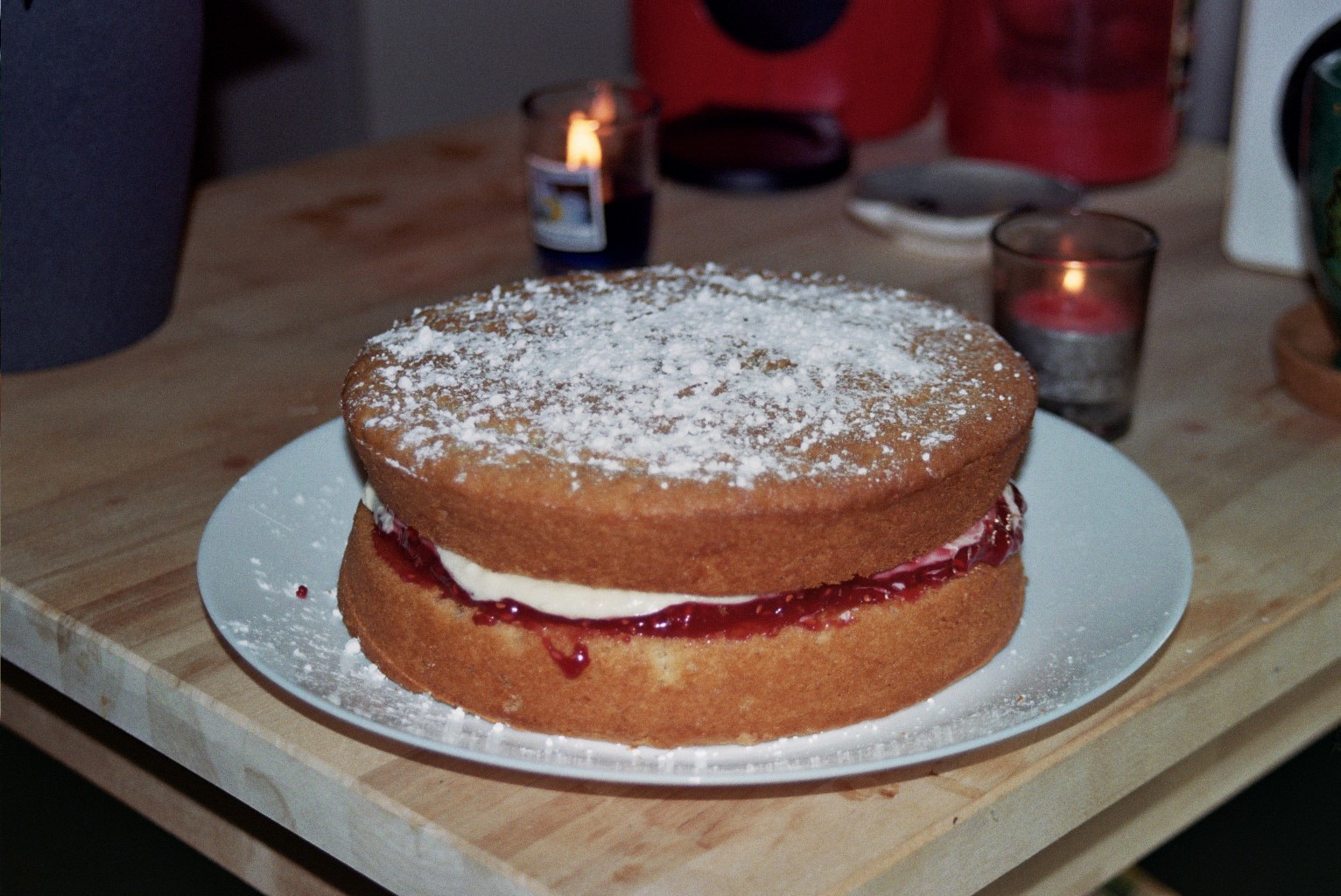
2021: The perfect sponge.

Image of a Victoria Sponge cake taken on Kodak ColorPlus 200 35mm Film. March 2021.

Starting the year, let’s be frank: things were pretty miserable.

Fresh off the back of the Christmas lockdown, plenty of us had spent the Christmas period unable to visit loved-ones. Or in my case, I’d been unable to raise my family’s blood pressure by suggesting that we pan-fry or roast the Brussel sprouts. And with the dull throb of wondering when we’d all be allowed to see each other again, I went to work on Christmas Eve. To a new job I hated more than I’d ever hated any job. Perhaps in part because – on paper at least – it was perfect. Or so everyone told me.

So, off I skipped to catch the bus – mask on and hands already tingling from the alcohol evaporating off them. Having managed to avoid doing so for 10 months already, catching Covid from someone on their way to do last-minute shopping would definitely have sped up the arrival of my P45. I’d have quit with 5 minutes of receiving the text to tell me my test was positive.

After finishing at midday, and being dropped off by a colleague who most certainly took pity on me, we went through the motions. By all means, an M&S Plant Kitchen Christmas is hardly a form of torture. But sat, just the two of us in our tiny flat in Roath, and a year of desperation to feel that safety of the house I grew up in, I would have given both arms to have been able to travel home. Home home.

Over 75s had just started to receive their vaccinations in Wales, and even on the 1st of January, I don’t think anyone could have anticipated how quickly we’d all end up with a needle in our arm and life once again, beginning to blossom.

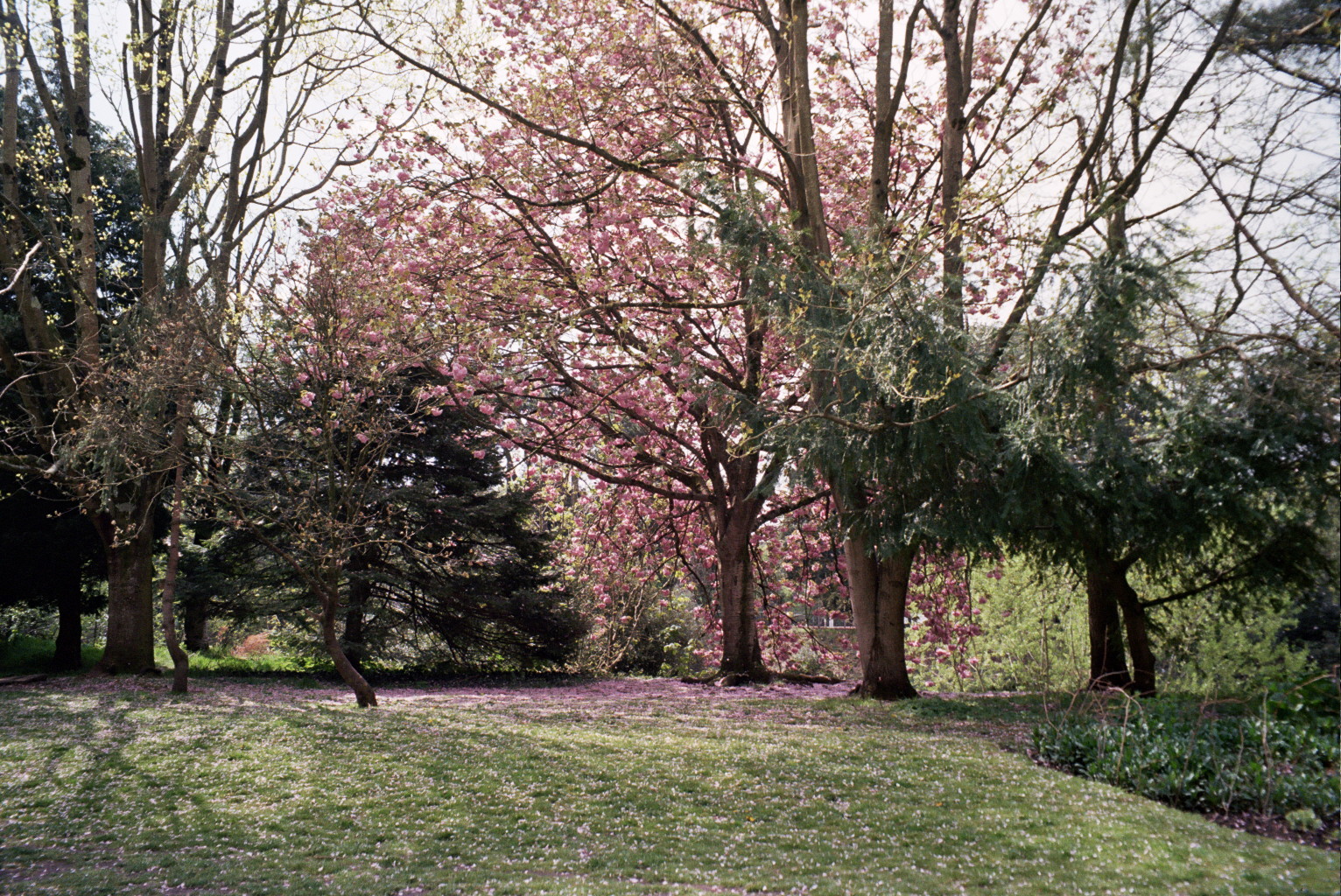
Photo of a cherry blossom tree in Bute Park. Shot on Kodak ColorPlus 200 35mm. April 2021

It was Monday the 18th of April when I had the phone call. One of the first properly warm days of the year. The saturation of everything switched from 0 to 100. The woman on the other end of the line asked if I could come down right away, explaining that the mass vaccination centre was in located in the old Toys-R-Us in the Bay.

Desperate for the call to end, so I could book my Uber ride, I was already stripping off my pyjamas. This meant that I was an hour early. So after chatting excitedly with a freshly-jabbed taxi driver who seemed more enthused than I was to be dropping me off for mine, I awkwardly spent 5 minutes trying to kill time in the huge Morrisons across the road from Vaccines-R-Us. Until I promptly gave up and checked in 50 minutes early. And you know what? It was to the eager smile of an admin worker who told me ‘yeah, just go straight through, they’ll do it now.’

Only a week later I was sat on the other end of a Microsoft Teams call for the friendliest job interview I’d ever had. Shops were busier, people were less miserable than I’d seen in at least 12 months – maybe longer. Every phone call with a friend, and there were many, were suddenly all about making plans. Not just the kind of plans we’d all made during the many lockdowns we’d been through, but proper, solid, concrete plans.

Of course, they were still punctuated with ‘Oh, we’ll be sensible. Obviously.’ But now we were jabbed. And the fear of losing even more than we already had, started to melt away like snow. Only the occasional glance out the window at the roof of the neighbour’s shed even reminded us it had ever been.

Bute Park April 2021. Taken on Kodak ColorPlus 200 35mm.

And in the rush of everybody’s hearts reopening to the possibility of normalcy. Every little niggling thought at the back of my mind told me if I didn’t deal with the weight of how unwell I’d become, not just over the last year of the pandemic, but really the last decade, I might as well stay home. Carry on pretending the world was closed for business.

For the first time I was able to see how much gloom had descended on my life, and how much disfunction I’d invited, relied upon, to make sense of it. The 2 o’clock cleaning to fend off waves of tears from the worry that, only exagerated by the pandemic, that my friends and loved ones would die, leaving me all alone. Or that I was heading for an early grave. That my worrying was going to send me to an early grave. Or my smoking. Or drinking.

By June, I had started a course of cognitive behavioural therapy, that felt as though I was most certainly drowning. Now on top of the worry I already knew about, was my lack of self-esteem to contend with. And the behaviours that ensued. The way I treated others, and the way I let them treat me. Even the way I facilitated and encouraged it.

Until a moment towards the end of the session, about four weeks in. When, as we wrapped things up for the week, as the counsellor did their standard warm down of well-dones and thank you for showing up did it occur to me, that I didn’t feel worse ending the call. And didn’t feel weepy. Just exhausted and grateful that I was floating. No flailing and splashing. No resistence.

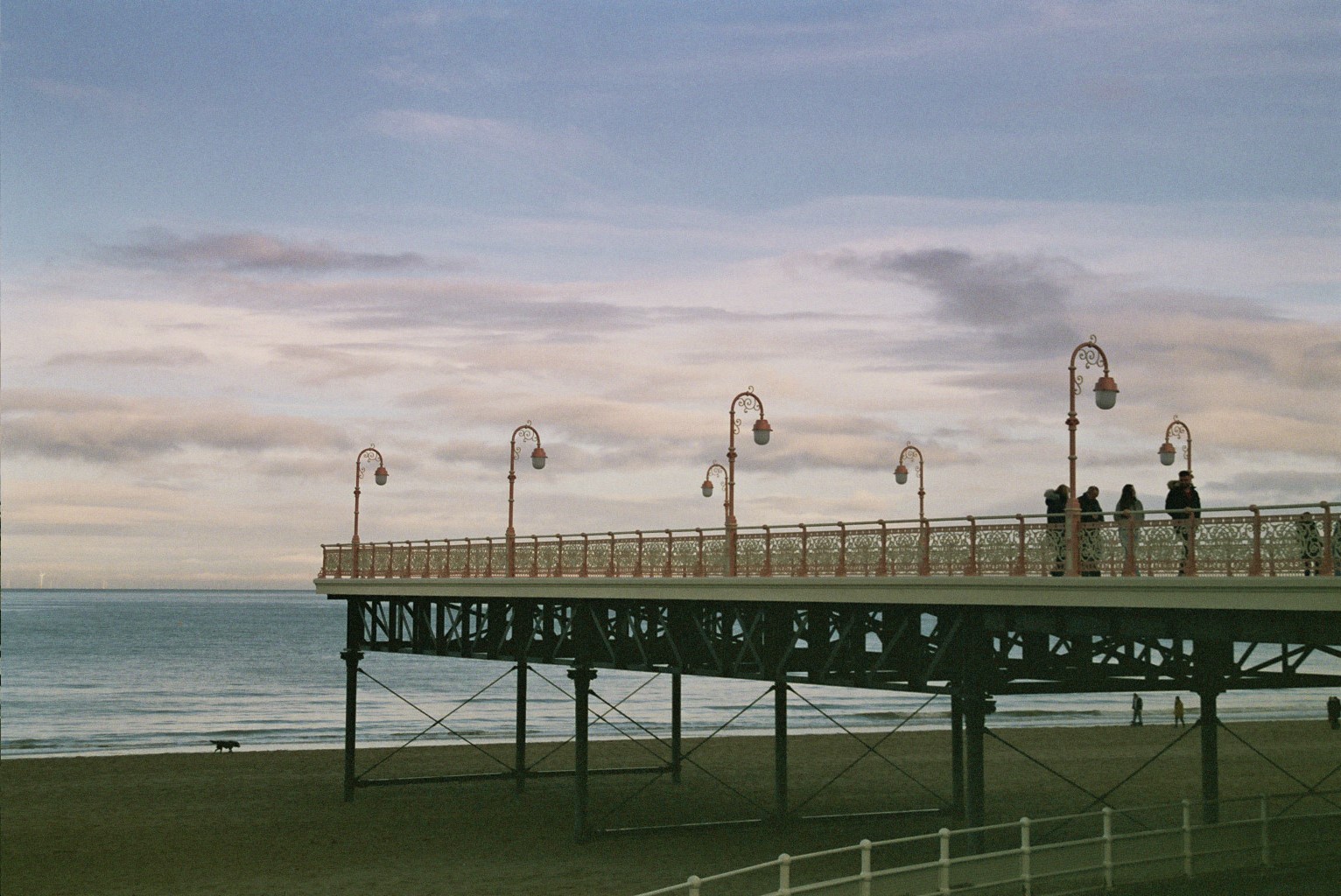
Colwyn Bay Pier, 2021. Shot on Superia Xtra-400 35mm.

As the weeks went on, floating mostly, though still splashing, I moved closer towards the finishing line. Now the line might have just been a course of counselling with a local charity, but getting there felt like stepping onto the most solid ground I’d been on in my adult life. And maybe it was because, at 25, my brain had finally stopped maturing (though the jury’s out on what good that does). Or maybe it was the most validating experience I believe a human can go through: having our worries and fears, and heartache and tears heard by someone who can explain back to us in scientific terms just how normal we really are.

We’re all formed by the context of our lives. And reformed. Forever malleable to the world we’re living in. And I think we even acknowledge this potential for change in the way we push forward with so much terror, everyday. How can I prove my usefulness to my boss, or my family? How can I keep moving so I don’t end up stuck, stagnant? Even if the place we’re stuck has everything we need to find proper world stopping joy. Like discovering you like tea as an adult. Or learning to bake the perfect vegan victoria sponge. Or going for a walk and listening to an audiobook.

For me it was learning to bake. A lot harder than you might think. Especially for someone who tries to cut corners on every meal by cooking in a single pan. But that was it. Slowing down enough to do something for pleasure rather than function was like learning to walk for the first time. Even eating was just a process by which I could end hunger and lower my stress response. The trial and error wasn’t a tear free experience either. But here’s the thing: we don’t often get things right on our first go. Not a cake recipe, or mindfulness.

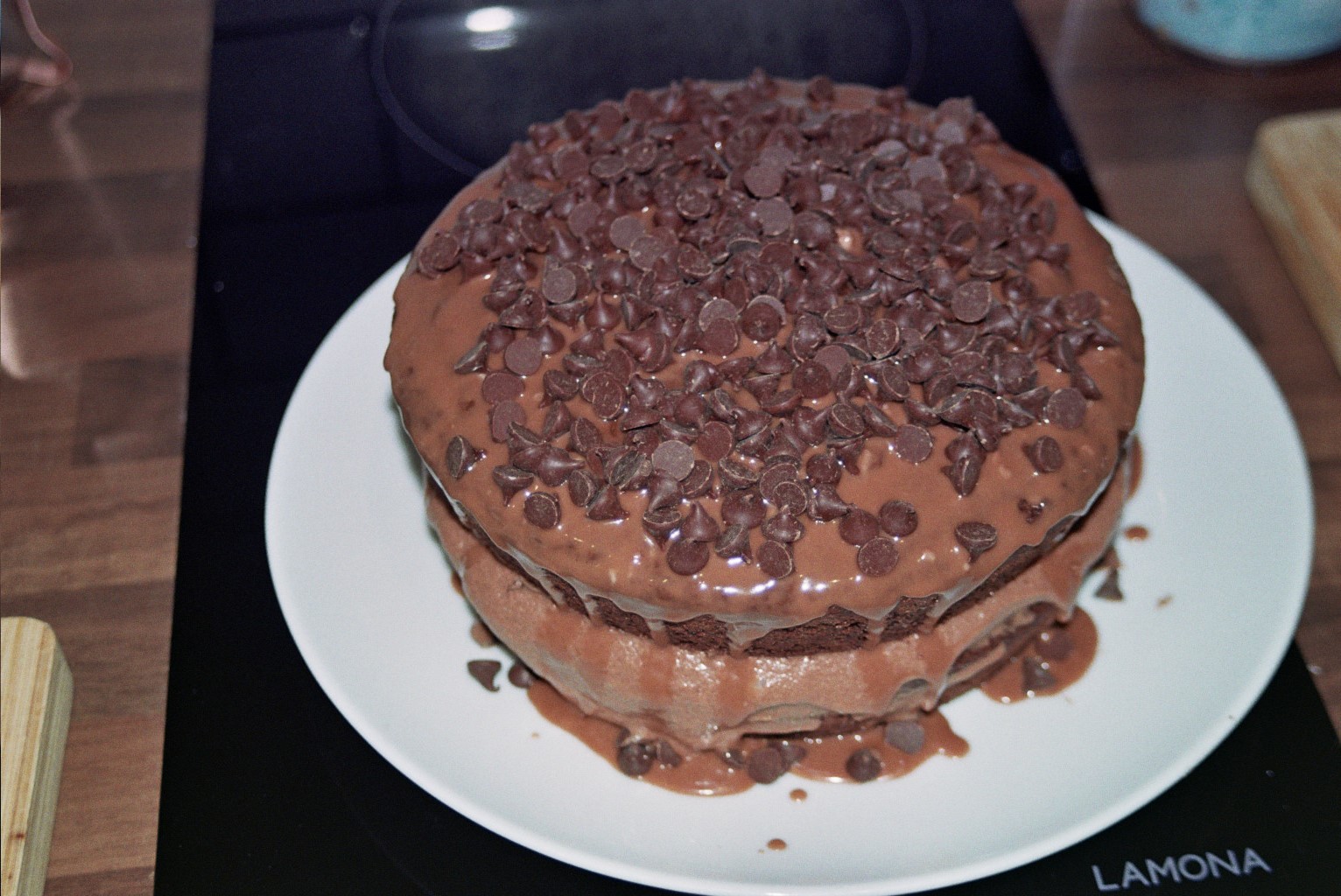
Disaster Cake – a Chocolate Buttercream Sponge – iced before the cake had cooled. Shot on Kodak ColorPlus 200, 35mm.

I think I’d decided on my 2022 goal, my forever goal, that first week of July. Four weeks into counselling. Go slow.