October Reading Update
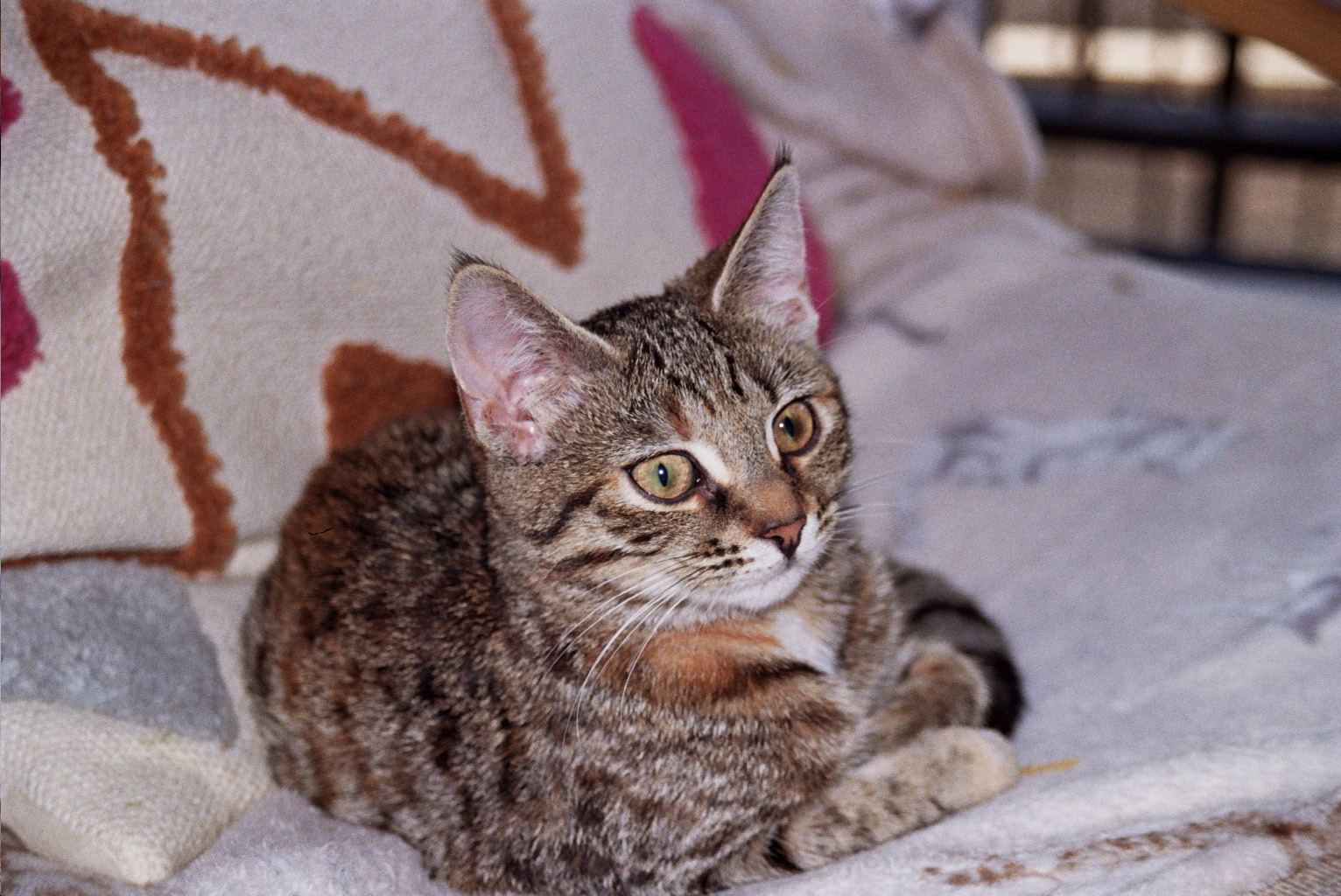
I’m currently enjoying the first fruits of autumn – meaning I’m sitting with the cat curled up next to me. The heating has finally been switched on after a LONG summer hiatus. Everything is spiced, the coffees, the candles, the cakes. You don’t get this in the summer. It makes for very cosy reading.
I have always loved Graham Norton’s books. Since his first novel, he’s managed to navigate small town drama juxtaposed with the call of the big city beautifully. Growing more ambitious each time, without losing the heart – and the humour – that makes him such a fabulous writer.
His latest, Frankie, turns everything on its head, though. It is so much larger in scale and honestly, so much more ambitious. Frankie is an epic tale of an entire life, start to finish. Well, the best bits at least. Every moment of heartache is carefully laced with enough levity to keep the story flowing without any awkward jilts. This is not a celebrity novel in any way, shape, or form.
If the slowly unfolding tale of a orphaned little girl in small town Ireland, crossing the Atlantic only to find herself still stuck in a perpetual chain of life changing events isn’t enough to get you to pick this one up… I don’t know what will. It combines some of my favourite things in a novel; inter-generational friendship, the pains love (found, lost, and unrequited), and depictions of mammoth wealth. Who doesn’t love a tail of rags to riches?
I would probably struggle to explain what it is that makes this novel work so well, if a friend of mine hadn’t put it so perfectly. Norton doesn’t get bogged down with boring details. He just keeps the story moving. And that’s what makes him stand out – there’s not a spare word, not a page of filler. One of my favourite moments in the book is a nod to this very idea. Where Frankie and Nor (our protagonist’s life-long best friend) explain to Damian, the agency carer she’s been recounting the highlights of her life to, that the period between the excitement of New York and the present day she hasn’t touched upon, ultimately don’t matter.
The overwhelming longing that comes with knowing when your best years took place, can’t be avoided. Maybe one day, we will all look back at the life we’ve lived, and wish just for a moment we could revisit that feeling of being so alive.
Speaking of the pains of wealth, reading about how the other half live isn’t just fabulous (and very troubling) in novels. Just like Frankie, Gary Stevenson’s The Trading Game also charts the rise of an underdog. As well also very nearly – but not quite – becoming a globe trotting adventure. But more on that later.
Stevenson has a fantastic ability to explain complex economic theory to his audience of online followers (those subscribed to the Gary’s Economics YouTube channel). But, it’s during his tales of how he fell into the mysterious world of trading, that I began to understand how he is able to do so, with so much clarity, for those without an economics background. When an older trader he looks up to tells him to throw away his old university textbooks, and start to pay attention, it becomes very clear that this isn’t really the world his academic tutors were preparing him for at all. They were preparing him for their own.
Like any good story, this book charts the rise and fall of an underdog you can’t help but root for. Gary’s constant reminder of home, through his childhood best friends equally chaotic journey into the world of banking, serves as a grounding for this story. Look how easily you can fall into the wrong habit, the wrong crowd, even the wrong career. And look how difficult it is to leave it all behind.
I think what I found the most jarring about this book, and what other readers will too, is how humanising it is of the people who made a killing off the back of the 2007-2008 global financial crisis. There are humans, not just a huge instutition, making decisions that affect our lives. Making themselves rich off the back of our struggle. But there’s a worthwhile lesson here about how global institutions not only normalise this distancing between your actions in work and the wider societal rot that that large corporations are inflicting on society. And how the well-being of their employees, their freedom to move on, to find meaningful work elsewhere, to restart their lives away from the constant grind of trading, inevitably falls to the wayside when there is still profit to be made. Meanwhile, the rest of us find ourselves working more and more, for less and less in return.
My main takeaway, without spoiling anything, is really how validating it feels to have someone explain verbatim how the anxiety we all feel about money and how far it goes, is the product of the terminal decline global economies are now experiencing. And how it’s allowed to continue, despite the destruction it causes to people’s quality of life, their happiness, and the planet. Gary’s story is a testament to that, in fact. What it takes to win in a fight with one of the world’s largest banks, is the kind of nerve we could only dream our politicians had.
Perhaps not the biggest jump from the world of banking – let’s talk about crime. Ann Cleeve’s Vera novels have long been some of my absolute favourites of the genre, and the latest (The Dark Wives) was absolutely no exception. Something I think crime fiction often isn’t given enough credit for, is the care authors in the genre take to accurately depict the landscape they cover. This might be understandably masked by the neverending stream of murders they force on the poor locals. But that doesn’t mean it should be overlooked. Vera Stanhope – the character I will passionately argue is the 21st century’s most iconic detective – traverses the Northumbria area in her equally iconic Land Rover, moving between the metropolitan Newcastle and the Northumberland countryside. In The Dark Wives Cleeve’s tackles the heartbreaking state of children’s homes – in a post privatisation world. Where Council’s are struggling, and every child is a cash cow to their wealthy CEOs.

 Tim Wynne