December Reading

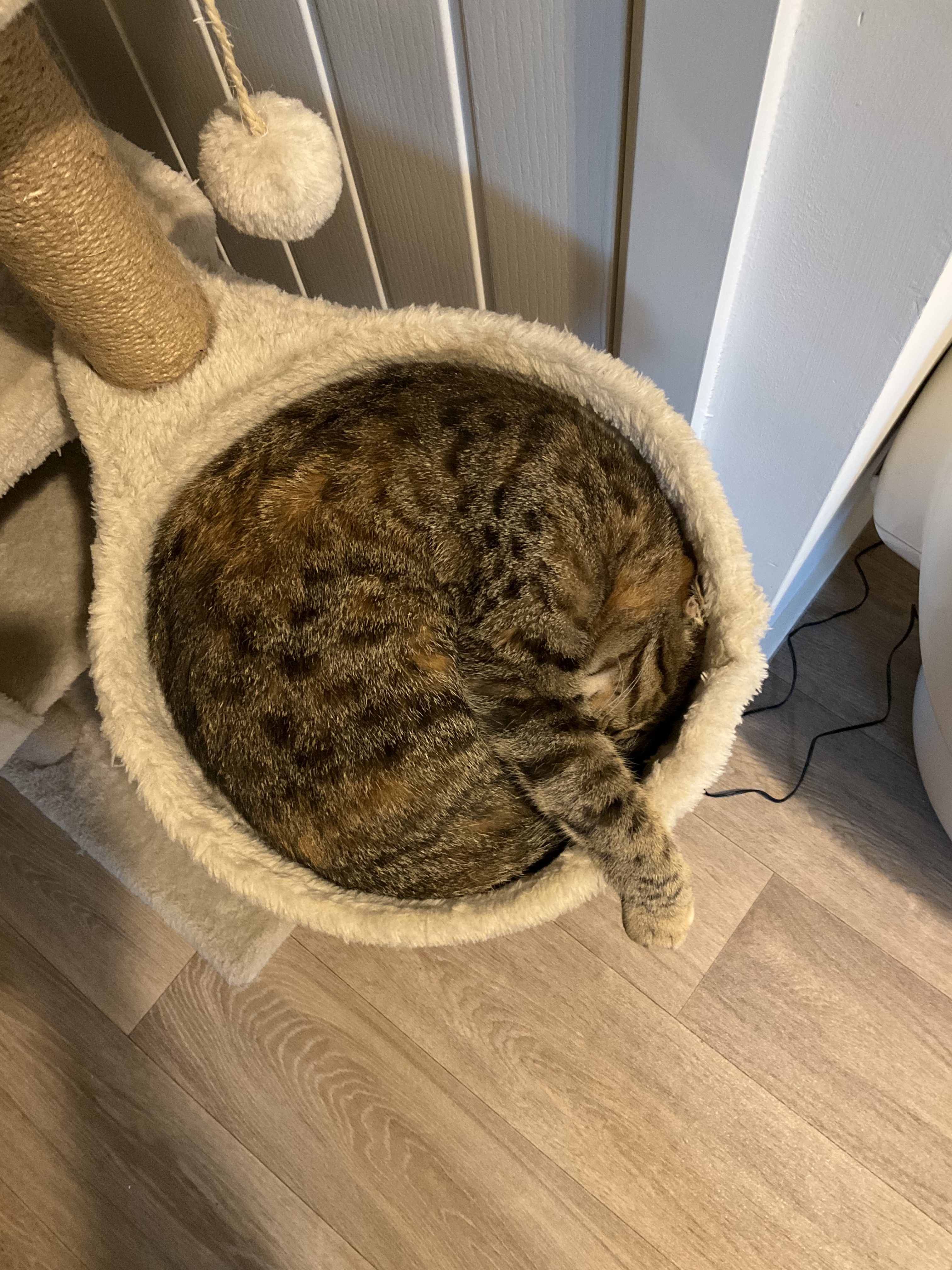
Well, besides buying presents for the cats (their first Christmas with us), and enjoying all the little flurries of snow we’ve had, I’ve also been quite busy reading.
2024 was a great year for reading for me, I managed my goal of 52 books. This is always my goal as it toes the line of being ambitious but still realistic. As someone with a fairly intense full time job, and other hobbies, this has always been my sweet spot. A goal I didn’t quite manage was finding 4 Christmassy books for December. But listen, I’ve never been good at planning my reading. Something always catches my eye at the Library or in Kindle Unlimited that I can’t help but keep it spontaneous.
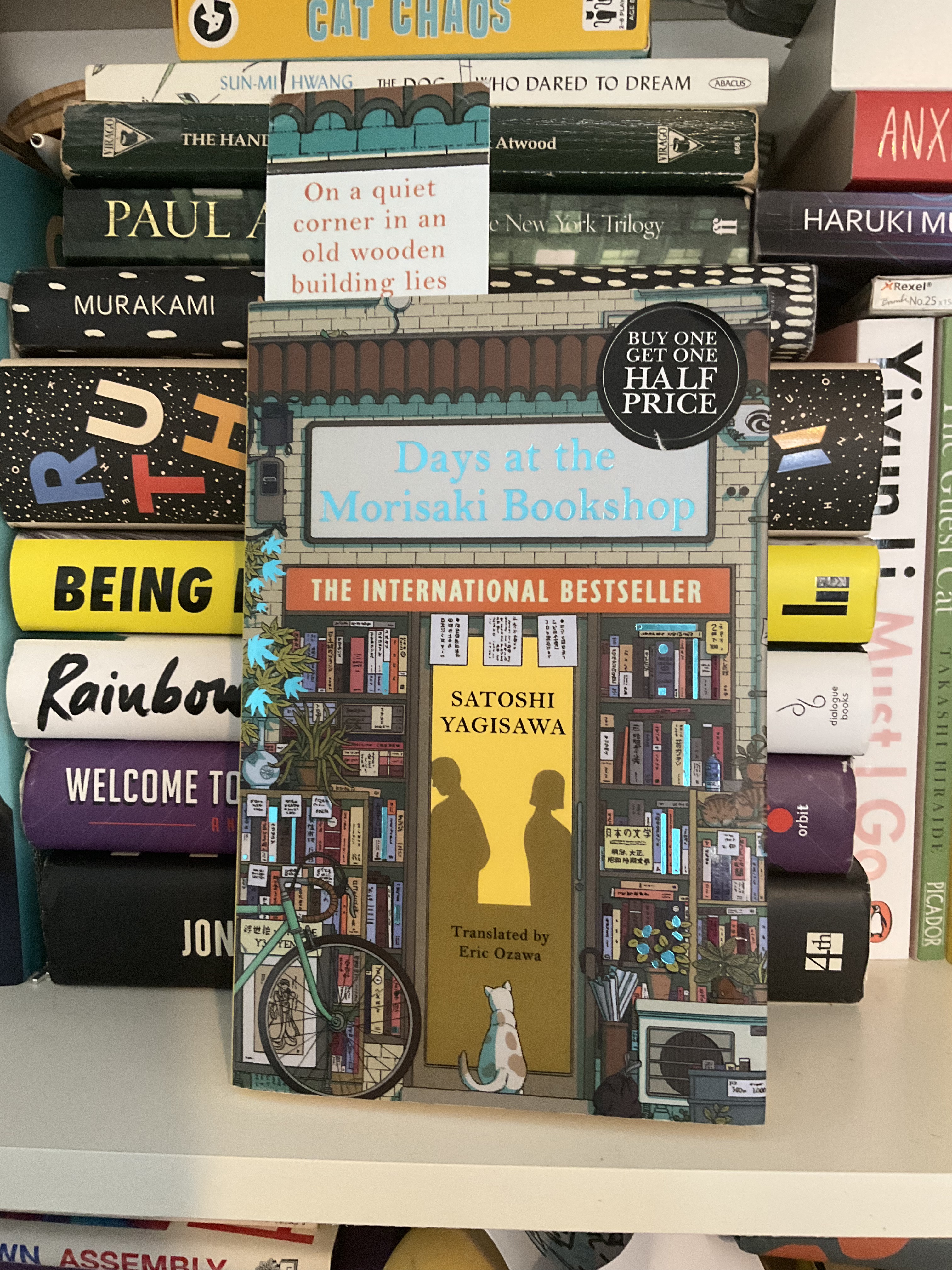
One of my favourites was Days at the Morisaki Bookshop by Satoshi Tagisawa. I just loved it. It managed to give me exactly the cosy hit I was looking for, without losing itself in the kitsch. It had a moving plot, driven by the complex lives of the characters. Broken hearts and a place to heal are at the core of this novel.
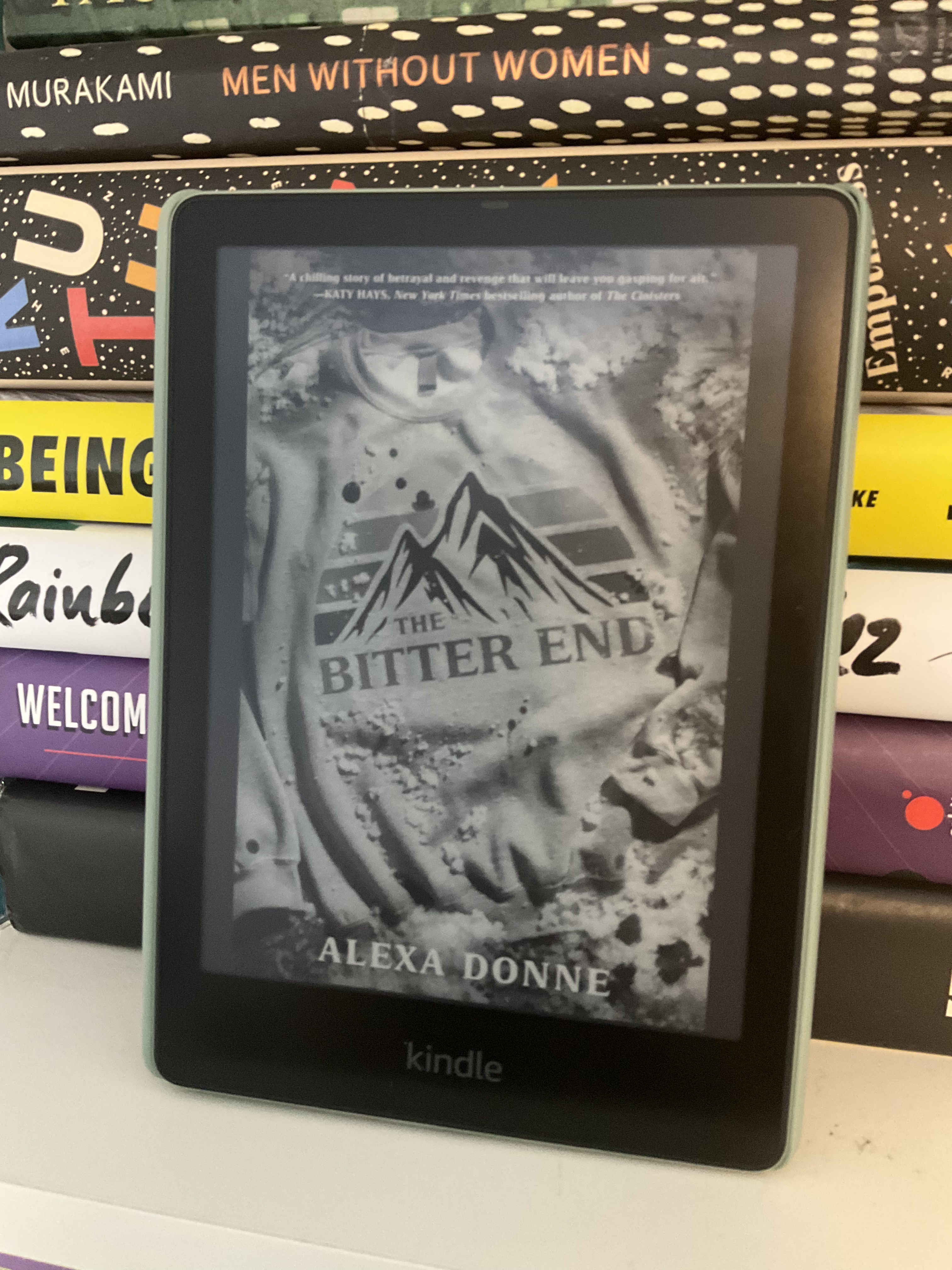
The Bitter End by Alexa Donne was hugely enjoyable. I love a murder mystery in any form, but drop a host of rich, entitled high-schoolers about to head off to college into an isolated location and you know they’re about to drop off like flies. Donne has always proudly been a capital Y and A young adult author, and you’d be hard pressed to find anyone writing in the genre progressively becoming more ambitious and sharply tuned to wider social issues. She reminds me a lot of the British author Juno Dawson, who similarly writes complex young adults, unafraid of wading into the dark and often sinister realities of today’s world. There is no coddling, no sugar coating, and it’s somehow still massively grounded – even as things escalate by the second. A fun, murderous romp with a massive impact.
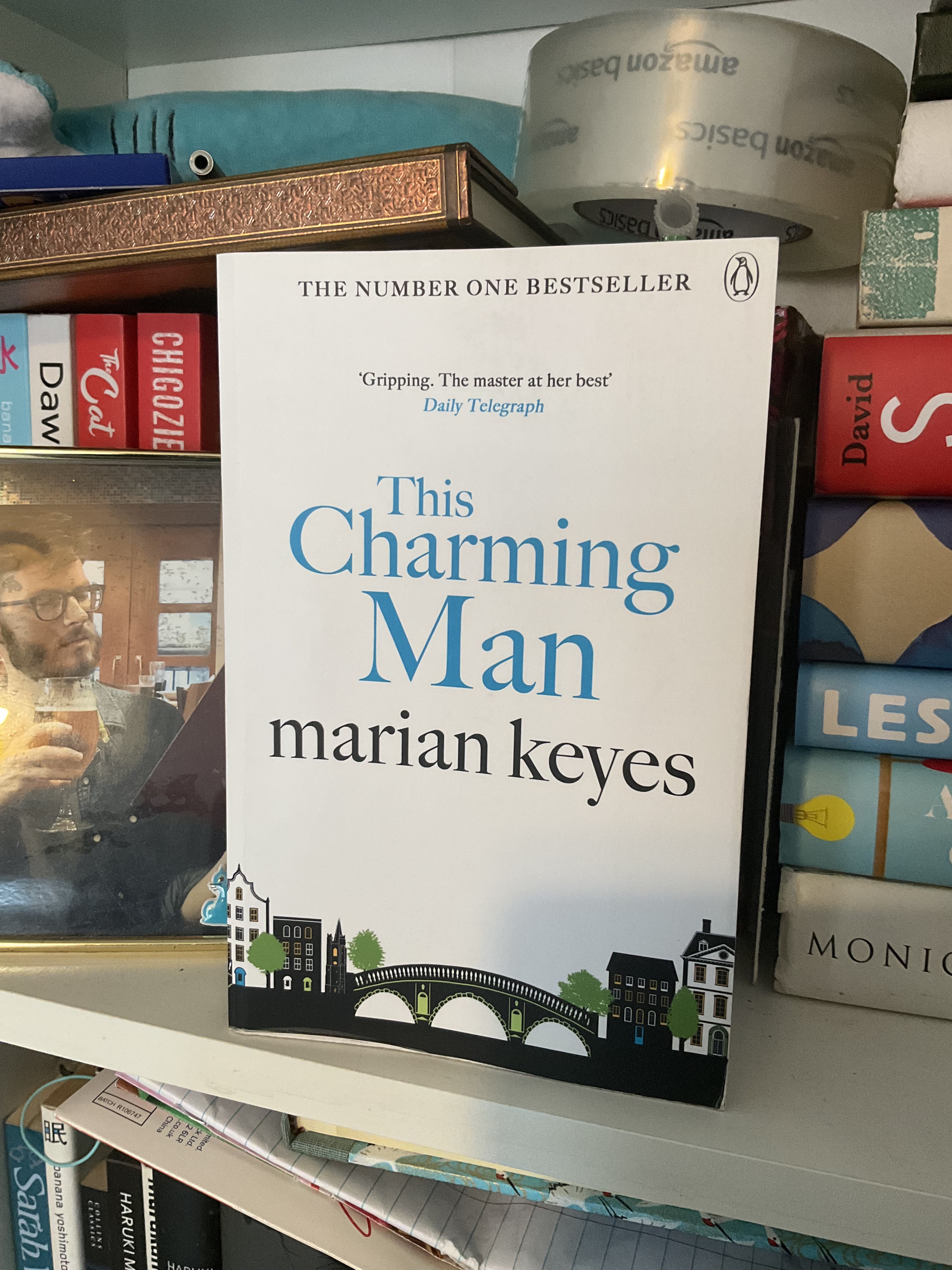
This Charming Man by Marian Keyes was the only book of hers I hadn’t yet read. I came onto Keyes’ books during the pandemic, when I was grateful for their epic lengths and the dose of hilarious escapism they offer. Somehow, I’d missed this one, though I suspect in part because I knew it had a relatively weighty core plot. A politician wreaking havoc in the lives of the women he abuses. I don’t think I’ve ever encountered a writer who can so comfortably inject humour into the darkest of themes, without ever once seeming insensitive about how she handles them. Yes, this is a book about domestic violence. But it’s also a story of survivors healing and finding each other. You know you’re in safe hands with Marian Keyes because no matter what, she never lets the sense of hope die. Even deep in the weeds, you know you’ll be safely delivered out the other side eventually.
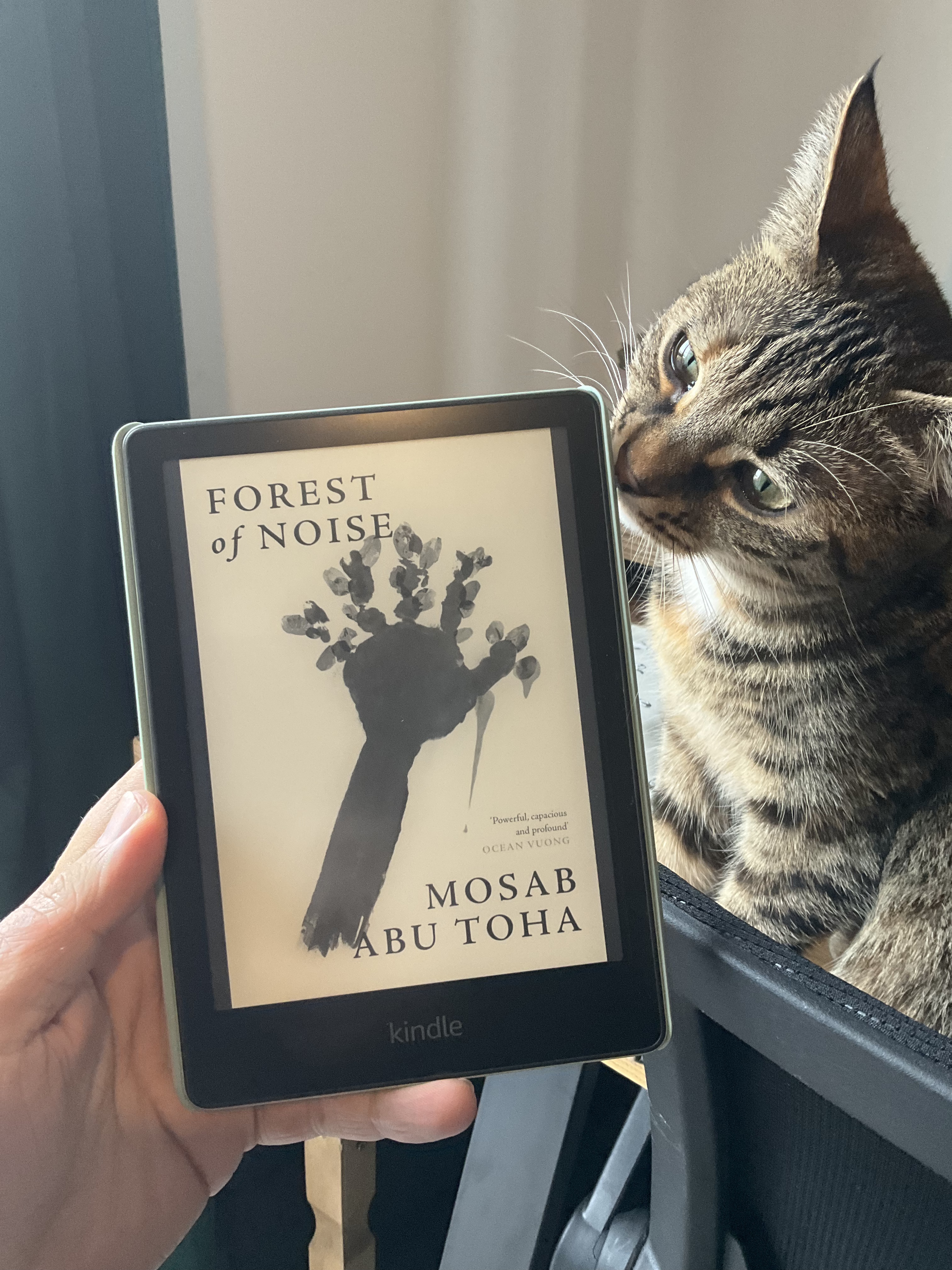
Forest of Noise by Mosab Abu Toha. First published at the beginning of 2024, this is an essential collection of poems for anyone looking to understand the reality of life under occupation. A work I believe has the potential to reveal important truths better than any social media post, news story, or documentary. For the author to have offered up his family’s lives in such a generous way, immortalising them so beautifully, is quite simply the gift he’s able to give them even if they are no longer here to tell their own story.

The collection allows its readers into the uncertainty of life in refugee camps, of not knowing where your loved ones ended up. Of not being able to contact them, or know whether they are still alive. There is a daily reminder, no matter how beautiful your homeland or the lives you’ve rebuilt together after such frequent destruction, how temporary it all might be. It spares nothing in presenting the hope and pain found amongst the rubble, the communities searching for survivors, giving everything they have to care for one another – of a people who will not allow themselves to disappear.
October Reading

October Reading Update

I’m currently enjoying the first fruits of autumn – meaning I’m sitting with the cat curled up next to me. The heating has finally been switched on after a LONG summer hiatus. Everything is spiced, the coffees, the candles, the cakes. You don’t get this in the summer. It makes for very cosy reading.

I have always loved Graham Norton’s books. Since his first novel, he’s managed to navigate small town drama juxtaposed with the call of the big city beautifully. Growing more ambitious each time, without losing the heart – and the humour – that makes him such a fabulous writer.

His latest, Frankie, turns everything on its head, though. It is so much larger in scale and honestly, so much more ambitious. Frankie is an epic tale of an entire life, start to finish. Well, the best bits at least. Every moment of heartache is carefully laced with enough levity to keep the story flowing without any awkward jilts. This is not a celebrity novel in any way, shape, or form.

If the slowly unfolding tale of a orphaned little girl in small town Ireland, crossing the Atlantic only to find herself still stuck in a perpetual chain of life changing events isn’t enough to get you to pick this one up… I don’t know what will. It combines some of my favourite things in a novel; inter-generational friendship, the pains love (found, lost, and unrequited), and depictions of mammoth wealth. Who doesn’t love a tail of rags to riches?

I would probably struggle to explain what it is that makes this novel work so well, if a friend of mine hadn’t put it so perfectly. Norton doesn’t get bogged down with boring details. He just keeps the story moving. And that’s what makes him stand out – there’s not a spare word, not a page of filler. One of my favourite moments in the book is a nod to this very idea. Where Frankie and Nor (our protagonist’s life-long best friend) explain to Damian, the agency carer she’s been recounting the highlights of her life to, that the period between the excitement of New York and the present day she hasn’t touched upon, ultimately don’t matter.

The overwhelming longing that comes with knowing when your best years took place, can’t be avoided. Maybe one day, we will all look back at the life we’ve lived, and wish just for a moment we could revisit that feeling of being so alive.

Speaking of the pains of wealth, reading about how the other half live isn’t just fabulous (and very troubling) in novels. Just like Frankie, Gary Stevenson’s The Trading Game also charts the rise of an underdog. As well also very nearly – but not quite – becoming a globe trotting adventure. But more on that later.

Stevenson has a fantastic ability to explain complex economic theory to his audience of online followers (those subscribed to the Gary’s Economics YouTube channel). But, it’s during his tales of how he fell into the mysterious world of trading, that I began to understand how he is able to do so, with so much clarity, for those without an economics background. When an older trader he looks up to tells him to throw away his old university textbooks, and start to pay attention, it becomes very clear that this isn’t really the world his academic tutors were preparing him for at all. They were preparing him for their own.

Like any good story, this book charts the rise and fall of an underdog you can’t help but root for. Gary’s constant reminder of home, through his childhood best friends equally chaotic journey into the world of banking, serves as a grounding for this story. Look how easily you can fall into the wrong habit, the wrong crowd, even the wrong career. And look how difficult it is to leave it all behind.

I think what I found the most jarring about this book, and what other readers will too, is how humanising it is of the people who made a killing off the back of the 2007-2008 global financial crisis. There are humans, not just a huge instutition, making decisions that affect our lives. Making themselves rich off the back of our struggle. But there’s a worthwhile lesson here about how global institutions not only normalise this distancing between your actions in work and the wider societal rot that that large corporations are inflicting on society. And how the well-being of their employees, their freedom to move on, to find meaningful work elsewhere, to restart their lives away from the constant grind of trading, inevitably falls to the wayside when there is still profit to be made. Meanwhile, the rest of us find ourselves working more and more, for less and less in return.

My main takeaway, without spoiling anything, is really how validating it feels to have someone explain verbatim how the anxiety we all feel about money and how far it goes, is the product of the terminal decline global economies are now experiencing. And how it’s allowed to continue, despite the destruction it causes to people’s quality of life, their happiness, and the planet. Gary’s story is a testament to that, in fact. What it takes to win in a fight with one of the world’s largest banks, is the kind of nerve we could only dream our politicians had.

Perhaps not the biggest jump from the world of banking – let’s talk about crime. Ann Cleeve’s Vera novels have long been some of my absolute favourites of the genre, and the latest (The Dark Wives) was absolutely no exception. Something I think crime fiction often isn’t given enough credit for, is the care authors in the genre take to accurately depict the landscape they cover. This might be understandably masked by the neverending stream of murders they force on the poor locals. But that doesn’t mean it should be overlooked. Vera Stanhope – the character I will passionately argue is the 21st century’s most iconic detective – traverses the Northumbria area in her equally iconic Land Rover, moving between the metropolitan Newcastle and the Northumberland countryside. In The Dark Wives Cleeve’s tackles the heartbreaking state of children’s homes – in a post privatisation world. Where Council’s are struggling, and every child is a cash cow to their wealthy CEOs.

What did I read in January 2023?

January was a good start to the year! Though I have to admit, I’m finding book shopping and stumbling across something I’d like to read quite difficult at the moment. Perhaps this is something to do with the new year being a generally low energy time for most of us (those who aren’t going mad at the gym or taking up new hobbies).

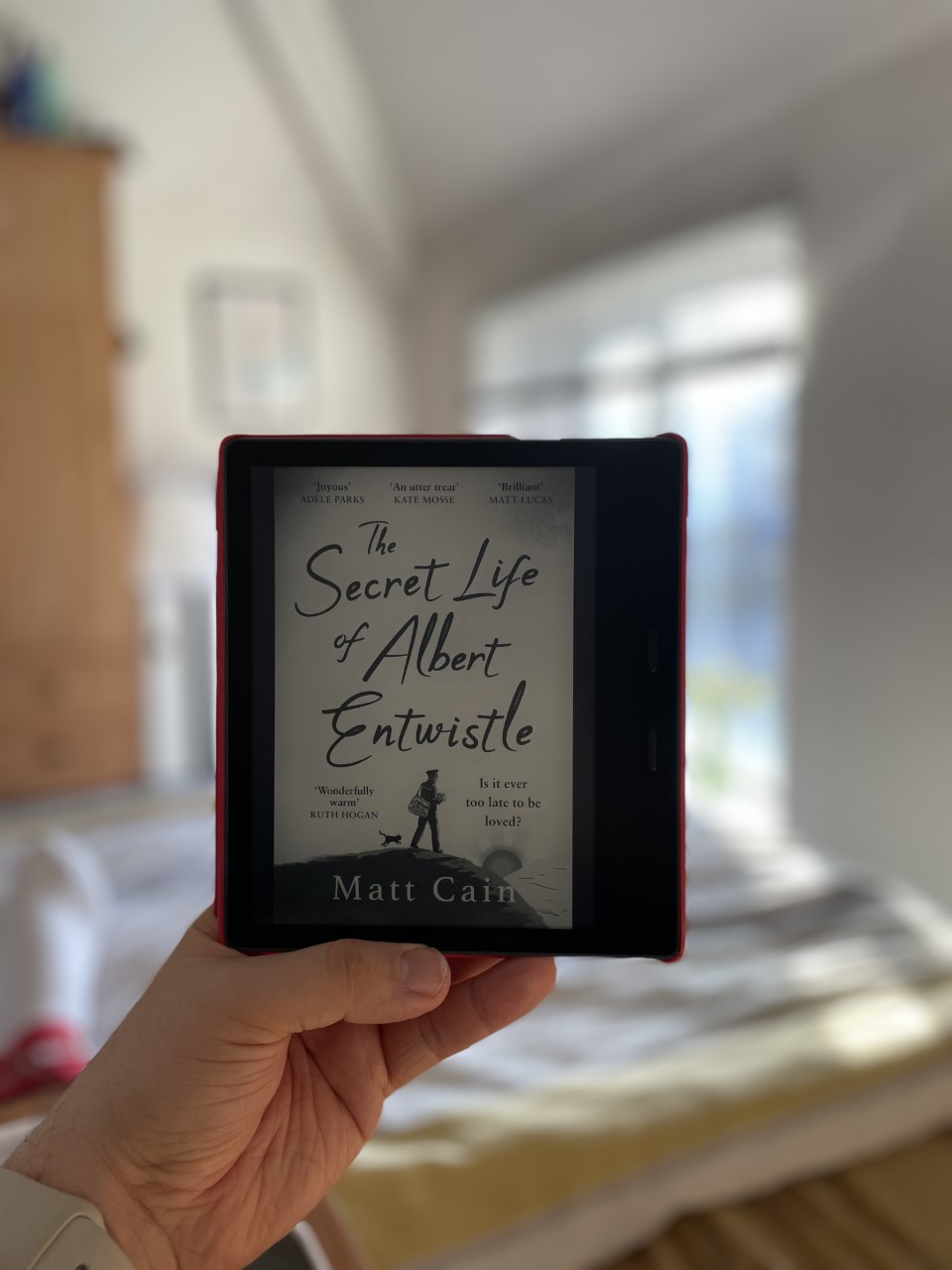
Photo of the cover of 'The Secret Life of Albert Entwistle' by Matt Cain being displayed on a Kindle.

I started the year with ‘The Secret Life of Albert Entwistle’ by Matt Cain. An absolute joy. I love reading fiction with older protagonists. What this book did so beautifully was share how universal the search for love and acceptance is. Anyone struggling with the idea that they’ve wasted any portion of their life on worrying what others think, or let it force them out of doing what they really wanted, will find this massively soothing. The reality of life is, we can change our minds, and lives, at any age. It’s never too late.

The book also handles class and inter-generational friendships beautifully too. Albert’s relationship with Nicole, a young mum trying to change her life by attending the local college, is also handled brilliantly. Nicole’s experience of living on a council estate rubs up against the expectations of her new boyfriend’s parents in a way that felt genuine. I’d definitely recommend for anyone looking for something feel good.

Claire Keegan’s ‘Small Things Like These’ is set in 1985, in small-town Ireland. While this may have been more appropriate as a Christmas read, it didn’t hinder my enjoyment one bit. Claire Keegan is a master of storytelling. How she crams so much emotion into such short books is beyond my comprehension. Nothing feels rushed, every word is intentional. It’s sent me on a journey through the rest of her work, but more on that next month! I can’t recommend this enough!

‘Boys Don’t Cry’ by Fiona Scarlett didn’t disappoint either. I don’t know if Irish authors are capable of disappointing. I like to think it’s the Celtic storytelling gene. Irish, Scot, or Welsh, we won’t shut up for the life of us. That’s a lot of practice spinning a yarn.

The novel takes place in a Dublin tower block. Even though I had seen reviews describing the book as heartbreaking, I still didn’t feel prepared. This book is a reminder that we are not all dealt the same cards. And some families are given more than their fair share to contend with.

Finally, and perhaps the most surprising based on everything else I read in January, is Simon McCleave’s ‘The Dark Tide’. Having grown up in North Wales, and missing home from the ever-so-slightly sunnier climes of Cardiff, I was desperate to read something set where I grew up. Perhaps a crime thriller wasn’t the cosiest of vibes, but it sure did it keep me gripped from the first page.

McCleave does a really great job of showing how interwoven small-town life is with the city. Everyone knows someone who’s either left for it, or returned. And with it, brought plenty of baggage. As the first in a series, this book does an amazing job (better than any crime novel I’ve read before) of setting up our protagonist’s origin story. DCI Laura Hart was a top negotiator working for the Manchester police force, and now she’s living in a small town on Anglesey, riddled with both grief and guilt.

It is undoubtedly impressive how McCleave weaves in elements of DCI Hart’s backstory into the plot, and even sets up even more drama in the books to come. I’ll certainly be reading the next in the series.

If you’ve read any of the books mentioned, let me know what you thought!

November Reading

I’m writing today with the heating on, having just come in from a walk around the city centre. The Christmas stalls are out, and the transitional misery that comes with leaping into winter is starting to lift.

I was pleased to see the busiest stall being that of an elderly woman serving home-made Welsh Cakes. A smell that was made all the more otherworldly by the fact it is now properly freezing outside. Not entirely unlike the smell of doughnuts being deep fried as I walk up the high street where I grew up.

I thought the bustle of crowds on a sweaty August afternoon would be enough to teach me not to venture into central Cardiff on a weekend. But, apparently it seems we’ve collectively decided that as the cost of heating our homes rises, we might as well walk aimlessly around the warm shops instead. I don’t know if it’s a post-Covid thing but I think people are regressing. Nobody seems able to watch where they’re walking any more. A particular double wide pram blocking the walkway outside of Starbucks, while a bedraggled parent stopped to send a text message, had my eyes looking out of the back of my skull.

Anyway, first book. I’m going to work backwards because I was so touched by this one that I need to get this down immediately. Tom Allen’s Too Much is a properly cathartic hand-to-hold through grief, an unavoidable path we all have to eventually take. It weaves stories of the aftermath with tales of Tom’s father beautifully. But what this book did the most effortlessly was the way it carried us along seemingly unrelated trips down memory lane before landing at the lesson, or sometimes simply mannerism, Tom learnt from his father.


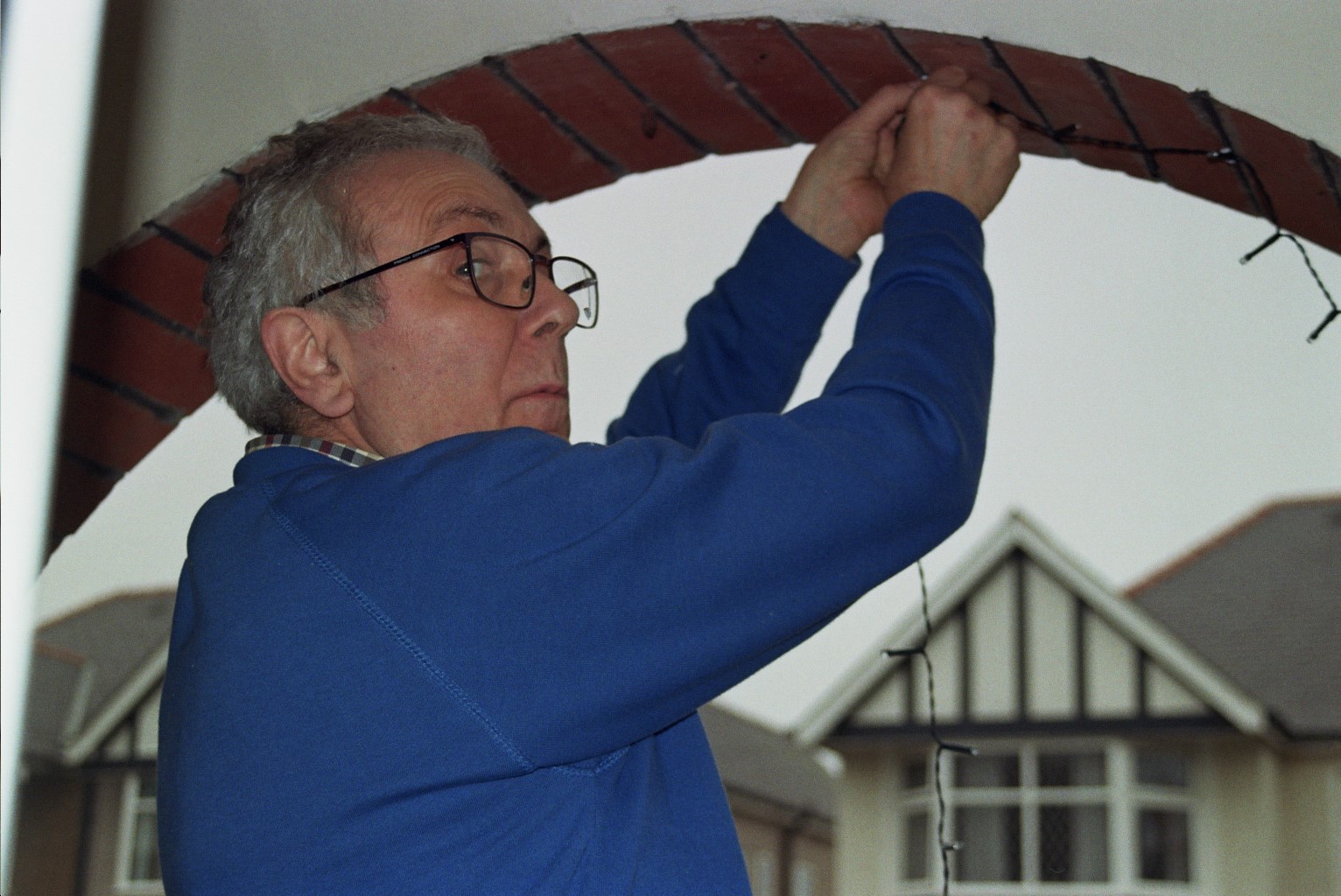
Dad, hanging the Christmas lights. Shot on Kodak ColorPlus 200


While I’m incredibly lucky to still have both of my parents, this book struck a cord with how my own Dad and I have come to understand each other as we age. I certainly had a tendency to need everything spelled out for me in absolute terms, too uncomfortable to sit with any kind of ambiguity, growing up. And I’ve never before seen such a beautiful depiction of a father and a son from different generations, simply seeing each other. Not everybody has what it takes to sit down and unpack a lifetime of impatience, every harsh word, and misunderstanding. But, it’s never too late to notice the small acts of grace and kindness we show each other. 

As you might notice, I’ve been on a bit of a non-fiction kick this month. It happens sometimes. And Moshin Zaidi’s A Dutiful Boy was another memoir I found quite touching. Again, there was a theme of alienation and the inevitable feeling of loneliness that can arrive when we don’t feel seen by our parents. I’ll come back to this when I talk about The Way Out by Tufayel Ahmed next month. 

Oxford graduate, criminal barrister and Stonewall trustee, Moshin Zaidi is the very definition of a high achiever. But, for me, it was descriptions of university counselling sessions and the overwhelming effort of walking back from feelings of hopelessness that made this book so relatable. A beautiful reminder of how despite our background, our childhood, our culture or our achievements, the universal human experience is how we recover from and reshape our pain.

Shot on Kodak ColorPlus 200 35mm

Right, if I’ve loved the last two, it’s probably time for a stinker.

Now, I’m absolutely being unfair here, because Jeremy William’s Climate Change Is Racist is a perfectly passable primer for those who truly have no clue and want somewhere gentle to begin. My issue was that, upon finishing, I really couldn’t decide what I’d learned and why I’d bothered to spend time (thankfully not money, it was a library read) with something that almost completely misses the mark. 

Despite the author acknowledging his own whiteness, there’s little depth to any probe into the racial aspects of climate change. Even more shocking, the book doesn’t really attempt to engage with the racial implications of capitalism and corporations exploiting the resources of the global south in any meaningful way. It’s not all bad, it just felt more like a walk through of keywords, without the glossary needed to help put them into context.

Finally, fiction. 

Alexa Donne’s Pretty Dead Queens was everything I wanted and needed. A mystery novel about a mystery novelist. When you come from a small town, reading about small towns can be a risky move. I often brace myself for a cringe-filled depiction of backwards bumpkins. But, this book hit every beat with enough heart, and careful planning, that I could revisit Ceceilia (our protagonist) over and over. Hopefully Donne will return to this town, but even if she doesn’t, I know I’ll love whatever she writes next. 

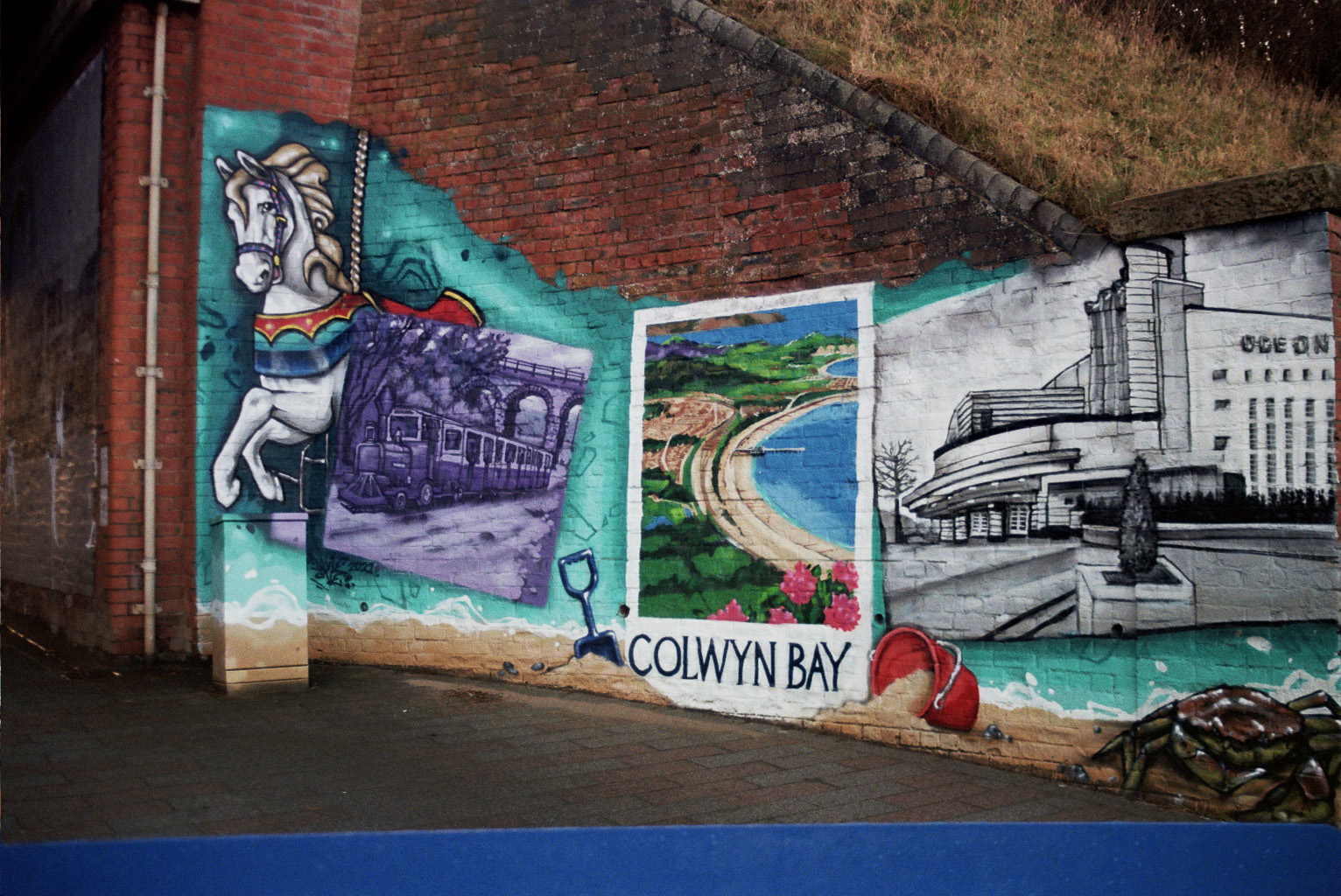
The small town I’m from – shot on Kodak ColorPlus 200

Everything I haven’t got round to covering in this post, I’ll revisit in December. Once the tree is up and I’m at least a stone heavier.