
One step too many

When it comes to getting the most out of our skincare routines, we’re often bombarded with all of the supposedly powerful anti-ageing, anti-dark spot, anti-blemish properties of whatever is ingredient flavour of the month. But as we’re increasingly saturated with serums, are we starting to miss the point?

Plenty of popular ingredients added to skincare products serve us well. Niacinimide, for example, is great for those dealing with excess sebum production and acne. This antioxidant helps to regulate oiliness and fade post inflammatory hyperpigmentation. But for lots of us, all it does is sting!
Retinol is another fantastic example of a vitamin antioxidant that’s capable of delivering results for those looking to improve complexion. As well as offering some protection from free radicals generated by environmental exposure.

But like most promises made by the beauty industry, they can start to fall apart when we start to question what we’re actually being sold. And looming over us menacingly is the small matter of formula. Products have become increasingly more complex in their formulations, but the time and money spent into research and development by cosmetic brands, is far from straight forward.

When it comes to ingredients like retinol, brands like L’Oreal and Olay have spent millions on developing formulas that don’t degrade as soon as the cap is popped off and air gets in. And we see this with their advancements in the realm of SPF too. The L’Oreal patented Mexoryl generation of filters has meant higher protection, and increasing comsetic elegance in how they wear. However, brands that place more emphasis on capturing the current TikTok obsession can often rely on sub-standard formulations, sometimes being nothing more than white-label products.

White label products are a relatively unknown phenomena in the skincare world. But they’re essentially when a (usually smaller) brand purchases a ready-made product, only for their branding to be slapped on the bottle. What this means in practice is multiple brands selling the exact same product.

Previously, I had always assumed this phenomenon to be relatively well-contained to the budget space. In practice, some of the brands guilty of this type of product-for-product-sake approach, span the budget to higher mid-price-range. And the reason this becomes an issue is because without adequately stabilised formulas, a product can contain as much vitamin C or retinol as you like, but that doesn’t mean it’s getting into your skin. Let alone shelf-stable enough to prevent rapid degradation of the active ingredients as soon as the packaging is opened.

Vitamin C is a notoriously finicky ingredient to formulate. Brands often opt to use derivatives such as Sodium Ascorbyl Phosphate. While these derivatives might be more stable, and therefore more likely to make it to your skin, the research is understandably more limited. So, how well it’s going to perform is even more unknown. Most of the time we don’t even know if there’s enough in the product to even make a difference. It’s with ingredients like this that I often opt to stick to the big brands: L’Oreal, Galderma, Neutogena. They’ve spent the time and money to make sure they’re striking the right balance.

Finally, I think we can often develop a tendency towards playing doctor when it comes to our skin. Brands like The Ordinary have often flicked a switch in me that quickly transforms my dressing gown into a lab coat. But the reality is that I’m no more a chemist than I am an Olympic diver. I can’t remember the last time I stepped foot anywhere near a swimming pool.

While it’s fun to play dress up, it’s important to remember that the basics of skin care, cleansing, moisturising, and protecting ourselves from the sun, are principles that – for most of us – are as essential as they are fool-proof. If you’re using the right gentle cleanser, keeping your skin moisturised, and wearing a good broad-spectrum SPF, it’s almost guaranteed you’re going to see good results. Especially if you’re starting from an absolute zero.

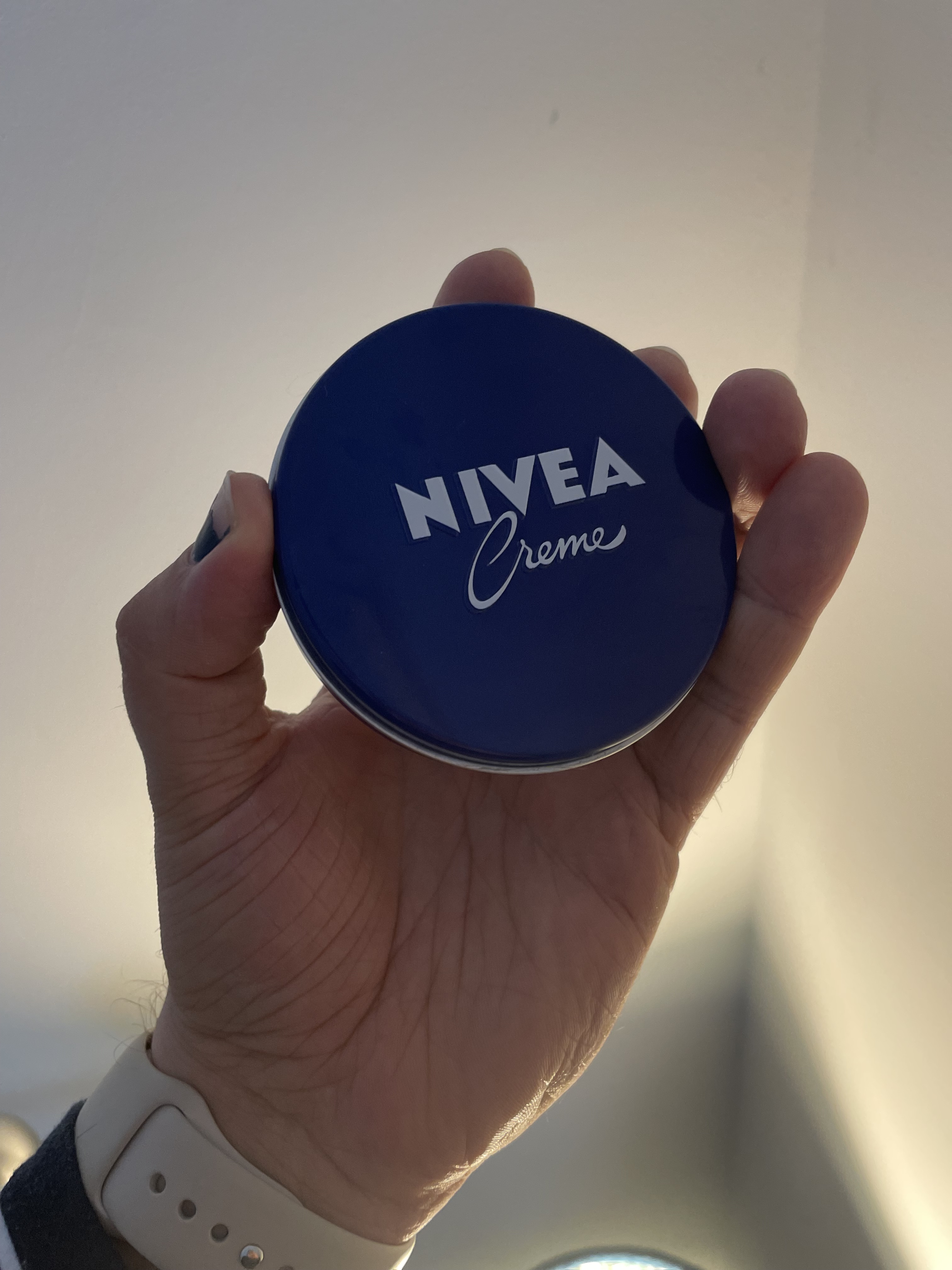
Some of the most useful tools in my skincare routine are the classics that bring that heady mixture of sensorial pleasure and nostalgia. Products like Nivea Crème. A classic that’s always been exactly what I needed to relieve even the driest of skin. A product offering nothing more complex than intense hydration. It’s thick, occlusive texture blended seamlessly with a fragrance that reminds me of being put to bed as a child. Not just by both of my parents, but even my Grandmother.
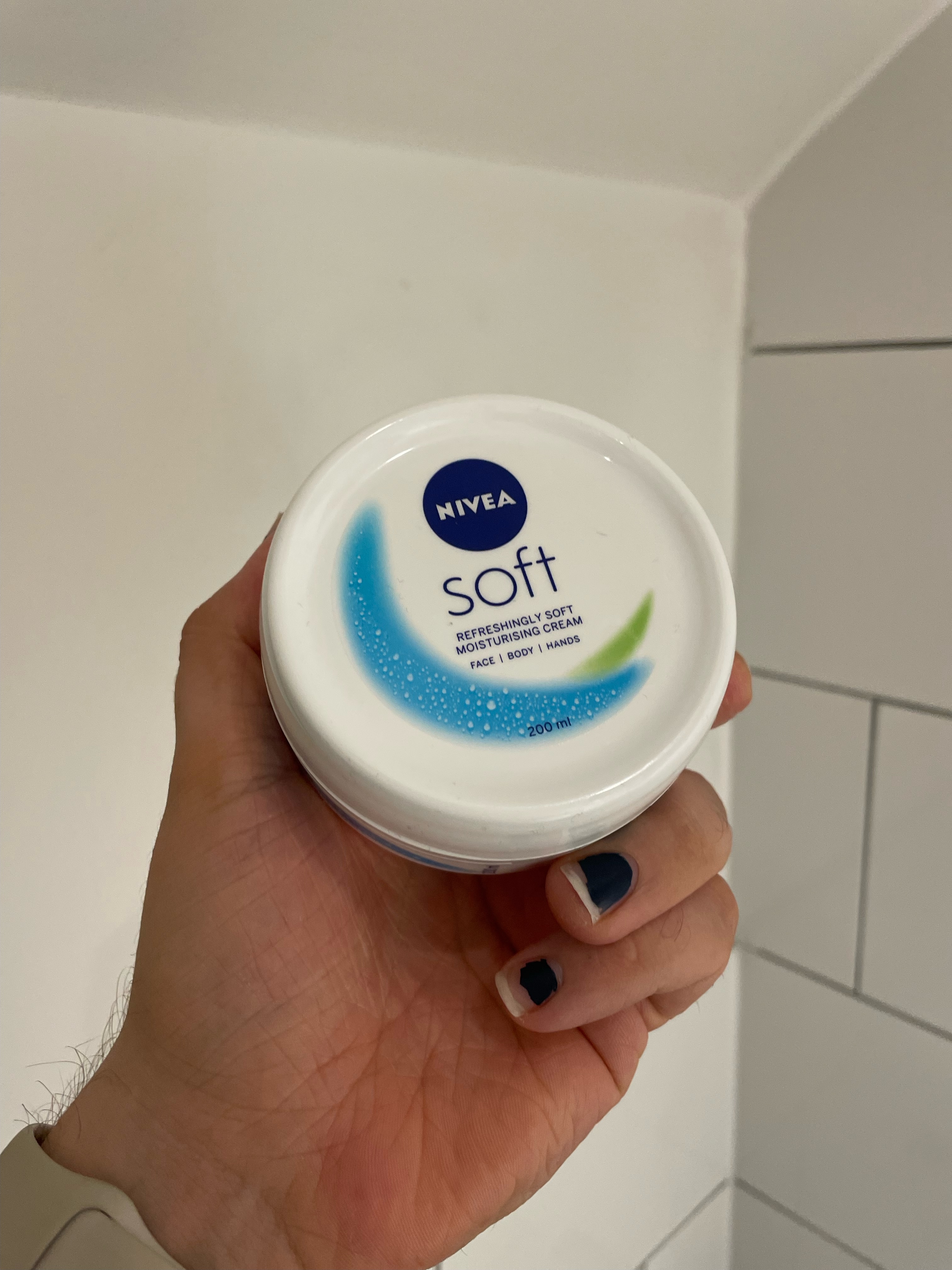


For the summer months, I love Nivea Soft. A lighter sister of the classic Crème, that first introduced me to a skincare ‘routine’ as a teenager. Its light, fresh fragrance, and whipped dimethicone consistency is one of the single greatest pleasures known to (skincare obsessed) man when the weather gets warmer. It reminds me of stuffy nights out in Bangor and early morning bus rides to college. The tube version also makes a fantastic hand cream.

Most of our favourite basics are loaded with great actives. The key is remembering that we don’t need all of them, all the time. And we certainly don’t need them in excessive quantities.
What did I read in January 2023?

January was a good start to the year! Though I have to admit, I’m finding book shopping and stumbling across something I’d like to read quite difficult at the moment. Perhaps this is something to do with the new year being a generally low energy time for most of us (those who aren’t going mad at the gym or taking up new hobbies).

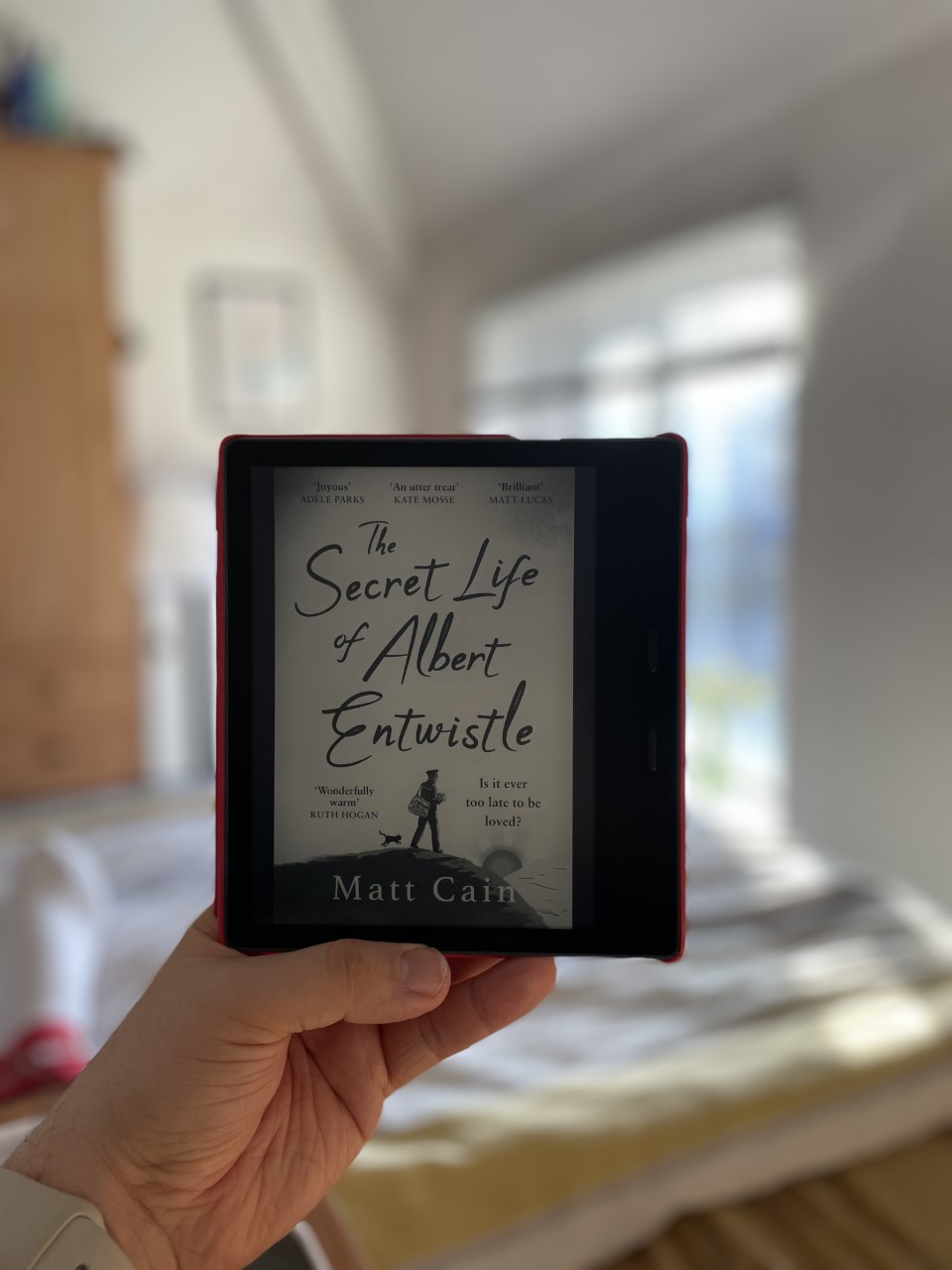
Photo of the cover of 'The Secret Life of Albert Entwistle' by Matt Cain being displayed on a Kindle.

I started the year with ‘The Secret Life of Albert Entwistle’ by Matt Cain. An absolute joy. I love reading fiction with older protagonists. What this book did so beautifully was share how universal the search for love and acceptance is. Anyone struggling with the idea that they’ve wasted any portion of their life on worrying what others think, or let it force them out of doing what they really wanted, will find this massively soothing. The reality of life is, we can change our minds, and lives, at any age. It’s never too late.

The book also handles class and inter-generational friendships beautifully too. Albert’s relationship with Nicole, a young mum trying to change her life by attending the local college, is also handled brilliantly. Nicole’s experience of living on a council estate rubs up against the expectations of her new boyfriend’s parents in a way that felt genuine. I’d definitely recommend for anyone looking for something feel good.

Claire Keegan’s ‘Small Things Like These’ is set in 1985, in small-town Ireland. While this may have been more appropriate as a Christmas read, it didn’t hinder my enjoyment one bit. Claire Keegan is a master of storytelling. How she crams so much emotion into such short books is beyond my comprehension. Nothing feels rushed, every word is intentional. It’s sent me on a journey through the rest of her work, but more on that next month! I can’t recommend this enough!

‘Boys Don’t Cry’ by Fiona Scarlett didn’t disappoint either. I don’t know if Irish authors are capable of disappointing. I like to think it’s the Celtic storytelling gene. Irish, Scot, or Welsh, we won’t shut up for the life of us. That’s a lot of practice spinning a yarn.

The novel takes place in a Dublin tower block. Even though I had seen reviews describing the book as heartbreaking, I still didn’t feel prepared. This book is a reminder that we are not all dealt the same cards. And some families are given more than their fair share to contend with.

Finally, and perhaps the most surprising based on everything else I read in January, is Simon McCleave’s ‘The Dark Tide’. Having grown up in North Wales, and missing home from the ever-so-slightly sunnier climes of Cardiff, I was desperate to read something set where I grew up. Perhaps a crime thriller wasn’t the cosiest of vibes, but it sure did it keep me gripped from the first page.

McCleave does a really great job of showing how interwoven small-town life is with the city. Everyone knows someone who’s either left for it, or returned. And with it, brought plenty of baggage. As the first in a series, this book does an amazing job (better than any crime novel I’ve read before) of setting up our protagonist’s origin story. DCI Laura Hart was a top negotiator working for the Manchester police force, and now she’s living in a small town on Anglesey, riddled with both grief and guilt.

It is undoubtedly impressive how McCleave weaves in elements of DCI Hart’s backstory into the plot, and even sets up even more drama in the books to come. I’ll certainly be reading the next in the series.

If you’ve read any of the books mentioned, let me know what you thought!

Best of the budget skincare (2022 Edition)

My ideal holiday is somewhere cold with a proper good Boots. The kind that have cosmetics counters, not the little rubbish ones you get in train stations. Though, I have been known to spend just as much time in those. If you didn’t know already, SPF is my passion. Night cream, my way of life. But in 2022, I needed to go back to basics.

I’ve picked my top three products of the year: a cleanser, moisturiser and SPF. Looking back, I’m not shocked in the slightest. These were by far, some of the most pleasant, easily accessible, and affordable options.

As the year began, all bets were off. I was trying products left, right and centre. But as the year went on, the unthinkable happened: adult acne. I’d been lucky to avoid any issues with my skin for most of my life, minus some eczema as a child. But when I started to get painful blemishes, I turned to tried and trusted Differin Gel, and a whole load of gentle soothing alternatives to the products I was using.

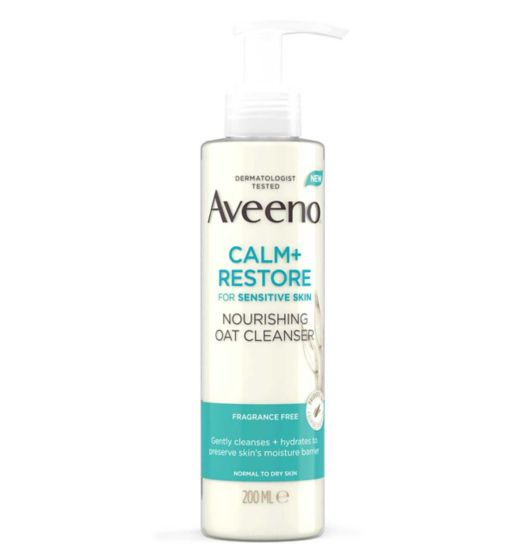
Starting with cleanser, my favourite product of the year has to be Aveeno’s Calm + Restore Nourishing Oat Cleanser.

If you’re a fan of Cerave’s Hydrating cleanser and unsure how cope with the rising tide of Cerave’s prices, I implore you to give this a go. It is every bit as gorgeous as it sounds. Colloidal oats soothe and gently cleanse, helping to keep my skin barrier from taking any further beatings. It’s also just small enough to fit in my toiletry bag – perfect for travelling.

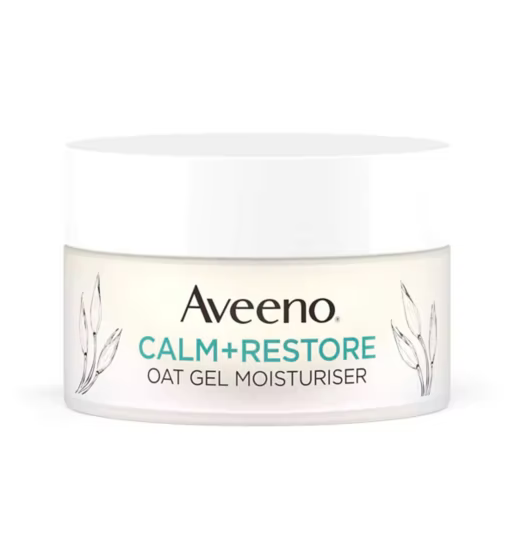
Aveeno feature again in my top three, this time though it’s their Calm + Restore Oat Gel Moisturiser.

Every time I open this jar, I look forward to the cool loveliness of the gel cream. Gel moisturisers are a great option in general for anyone prone to oiliness or dealing with acne, but what Aveeno nail with this product is the simplicity. With glycerine as the main humectant, colloidal oats to sooth, and no added extras like niacinimide, this helped guide my skin back to it’s former glory.

I used to be a huge fan of Cerave’s PM Lotion. A product I would have recommended to anyone looking to consolidate their routine and save money on serums and night creams. But as the price crept up, and my skin seemingly lost it’s ability to tolerate niacinimide, I was desperate for an alternative. I thank God for this perfect all round facial moisturiser.

Finally, please give a warm welcome to a seemingly impossible product. A deliciously moisturising mineral SPF, with PA++++ UVA coverage, that doesn’t leave me looking like Casper the friendly ghost. What’s more? It’s not even tinted!

Within less a few minutes this product disappears, leaving my skin with a lovely healthy glow. The trick? Just let it sit. You might find on initial application that you aren’t convinced, but give it a minute or two and you’ll be wondering where all that product went as it dries down into the perfect moisturising, blended finish.

I opted to try some mineral SPFs early on in the summer as my regular chemical faves started to cause some irritation when I applied. I now chalk this up to a damaged skin barrier. But whatever the cause, I needed high protection, and I needed it not to make me glow tomato red before I even left the house!

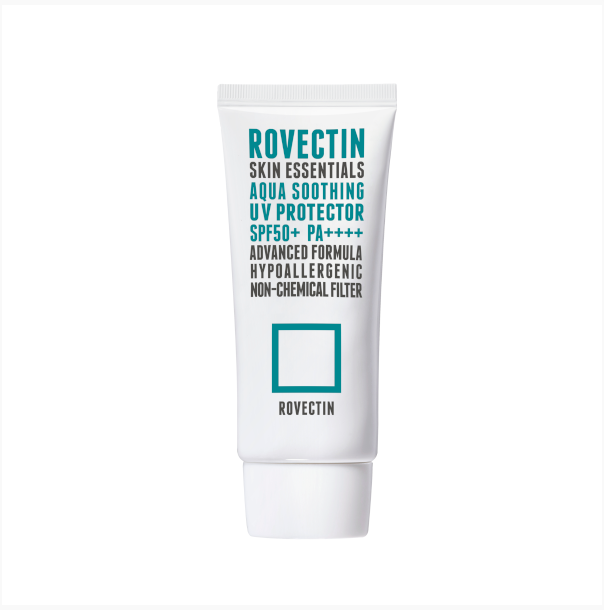
Enter Rovectin Skin Essentials Aqua Soothing UV Protector (SPF 50+ PA++++).

Rovectin are known for their gentle barrier loving formulas. I’ve loved this product so much, I’ve repurchased from Stylevana over and over and over again throughout the year. It provides high protection that is easy to reapply without leaving a wild white cast.

In the UK, we’re flooded with so many amazing chemical SPF formulas that nobody wants dodgy sun cream that leaves the m looking like a snowman. That’s why I was so excited to see people raving about the previously inconceivable: an untinted mineral SPF from a cruelty-free K Beauty brand, that leaves no cast and gives properly broad spectrum protection from both UVA and UVB rays. Having and tested it all summer (and winter), I can’t recommend enough!

Let me know in the comments if you’ve discovered any new favourites this year!

November Reading

I’m writing today with the heating on, having just come in from a walk around the city centre. The Christmas stalls are out, and the transitional misery that comes with leaping into winter is starting to lift.

I was pleased to see the busiest stall being that of an elderly woman serving home-made Welsh Cakes. A smell that was made all the more otherworldly by the fact it is now properly freezing outside. Not entirely unlike the smell of doughnuts being deep fried as I walk up the high street where I grew up.

I thought the bustle of crowds on a sweaty August afternoon would be enough to teach me not to venture into central Cardiff on a weekend. But, apparently it seems we’ve collectively decided that as the cost of heating our homes rises, we might as well walk aimlessly around the warm shops instead. I don’t know if it’s a post-Covid thing but I think people are regressing. Nobody seems able to watch where they’re walking any more. A particular double wide pram blocking the walkway outside of Starbucks, while a bedraggled parent stopped to send a text message, had my eyes looking out of the back of my skull.

Anyway, first book. I’m going to work backwards because I was so touched by this one that I need to get this down immediately. Tom Allen’s Too Much is a properly cathartic hand-to-hold through grief, an unavoidable path we all have to eventually take. It weaves stories of the aftermath with tales of Tom’s father beautifully. But what this book did the most effortlessly was the way it carried us along seemingly unrelated trips down memory lane before landing at the lesson, or sometimes simply mannerism, Tom learnt from his father.


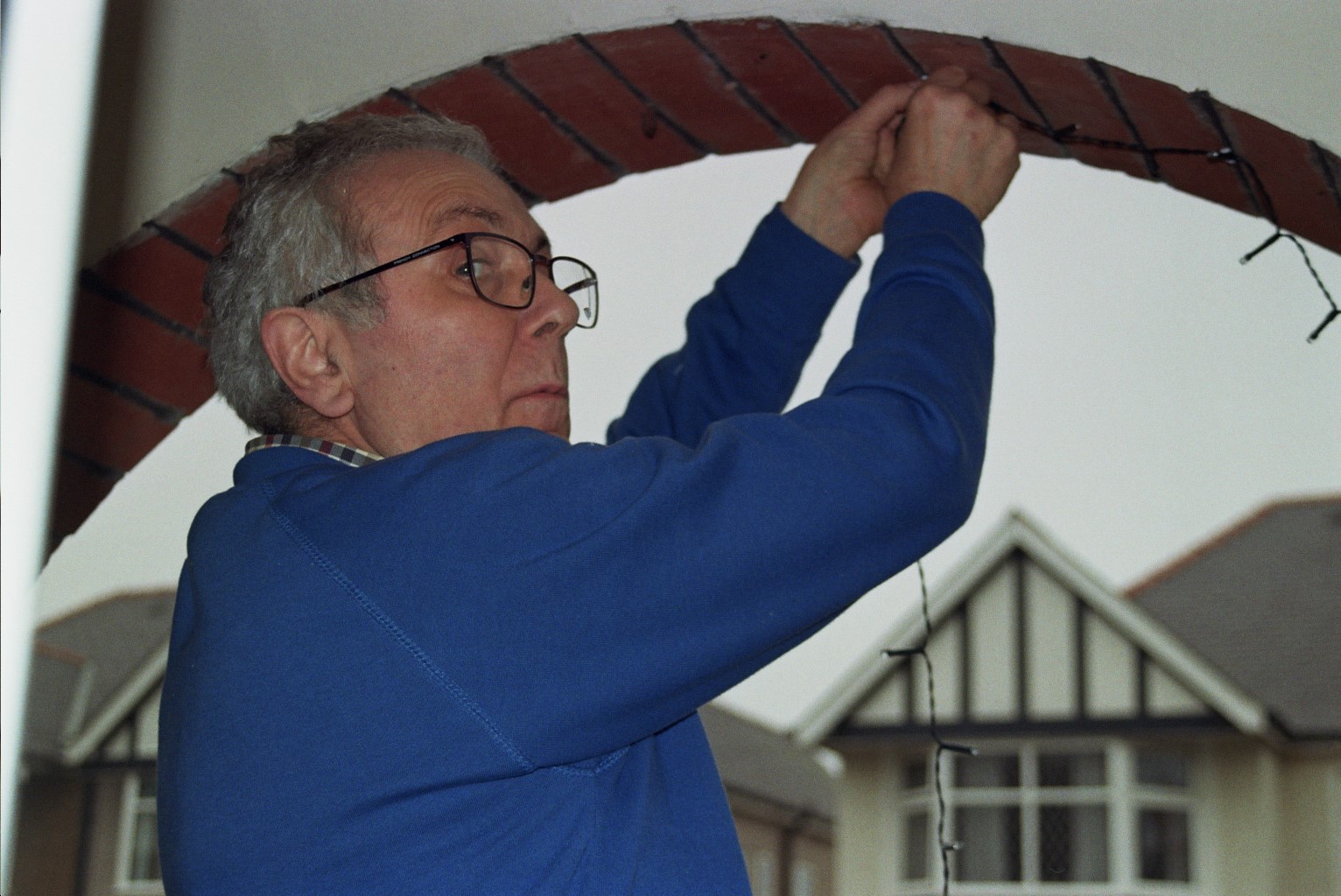
Dad, hanging the Christmas lights. Shot on Kodak ColorPlus 200


While I’m incredibly lucky to still have both of my parents, this book struck a cord with how my own Dad and I have come to understand each other as we age. I certainly had a tendency to need everything spelled out for me in absolute terms, too uncomfortable to sit with any kind of ambiguity, growing up. And I’ve never before seen such a beautiful depiction of a father and a son from different generations, simply seeing each other. Not everybody has what it takes to sit down and unpack a lifetime of impatience, every harsh word, and misunderstanding. But, it’s never too late to notice the small acts of grace and kindness we show each other. 

As you might notice, I’ve been on a bit of a non-fiction kick this month. It happens sometimes. And Moshin Zaidi’s A Dutiful Boy was another memoir I found quite touching. Again, there was a theme of alienation and the inevitable feeling of loneliness that can arrive when we don’t feel seen by our parents. I’ll come back to this when I talk about The Way Out by Tufayel Ahmed next month. 

Oxford graduate, criminal barrister and Stonewall trustee, Moshin Zaidi is the very definition of a high achiever. But, for me, it was descriptions of university counselling sessions and the overwhelming effort of walking back from feelings of hopelessness that made this book so relatable. A beautiful reminder of how despite our background, our childhood, our culture or our achievements, the universal human experience is how we recover from and reshape our pain.

Shot on Kodak ColorPlus 200 35mm

Right, if I’ve loved the last two, it’s probably time for a stinker.

Now, I’m absolutely being unfair here, because Jeremy William’s Climate Change Is Racist is a perfectly passable primer for those who truly have no clue and want somewhere gentle to begin. My issue was that, upon finishing, I really couldn’t decide what I’d learned and why I’d bothered to spend time (thankfully not money, it was a library read) with something that almost completely misses the mark. 

Despite the author acknowledging his own whiteness, there’s little depth to any probe into the racial aspects of climate change. Even more shocking, the book doesn’t really attempt to engage with the racial implications of capitalism and corporations exploiting the resources of the global south in any meaningful way. It’s not all bad, it just felt more like a walk through of keywords, without the glossary needed to help put them into context.

Finally, fiction. 

Alexa Donne’s Pretty Dead Queens was everything I wanted and needed. A mystery novel about a mystery novelist. When you come from a small town, reading about small towns can be a risky move. I often brace myself for a cringe-filled depiction of backwards bumpkins. But, this book hit every beat with enough heart, and careful planning, that I could revisit Ceceilia (our protagonist) over and over. Hopefully Donne will return to this town, but even if she doesn’t, I know I’ll love whatever she writes next. 

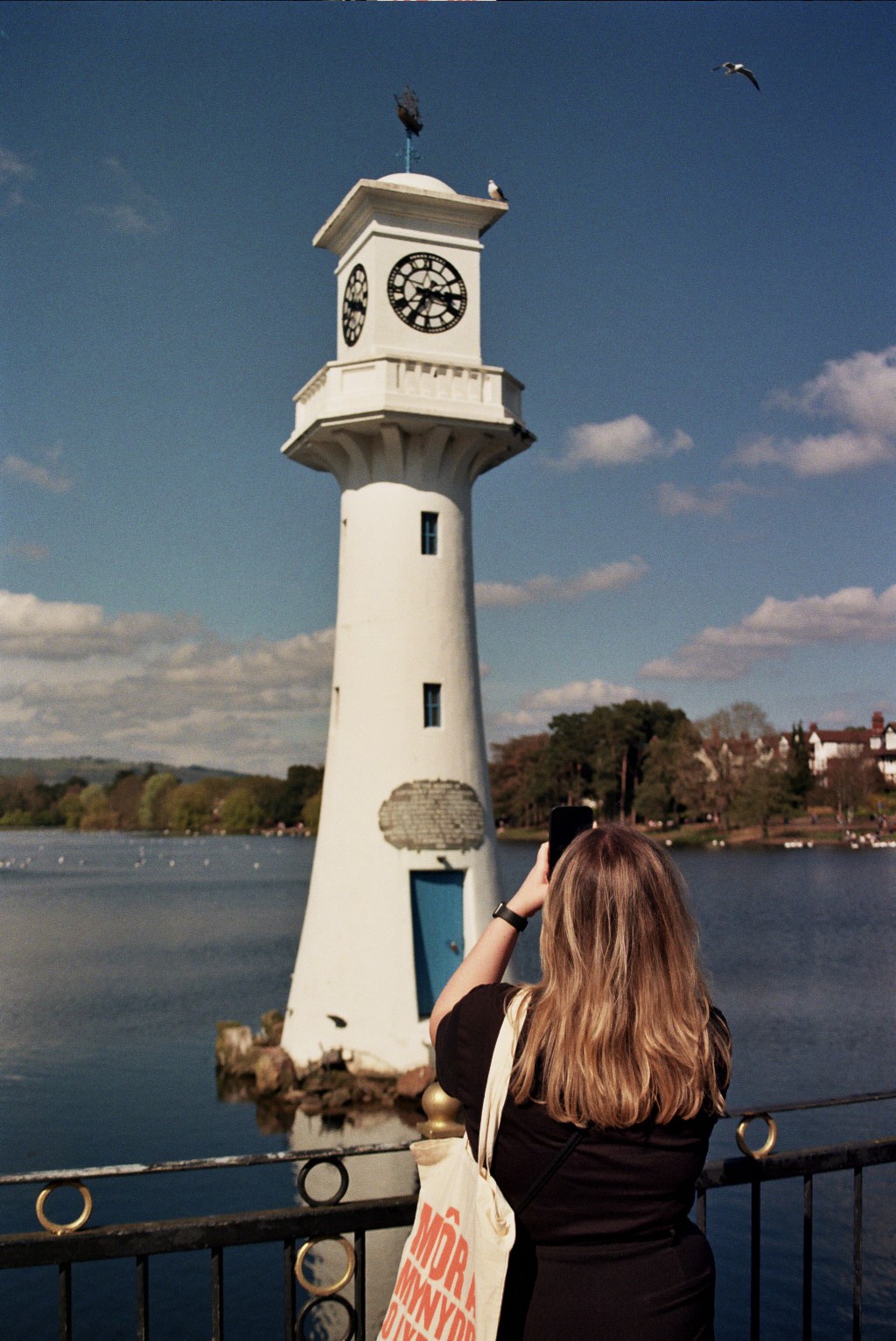
The small town I’m from – shot on Kodak ColorPlus 200

Everything I haven’t got round to covering in this post, I’ll revisit in December. Once the tree is up and I’m at least a stone heavier.